Dinamica
HYDRAULIC PRESS BRAKE
60–400 t · 2–4 m
Discover more
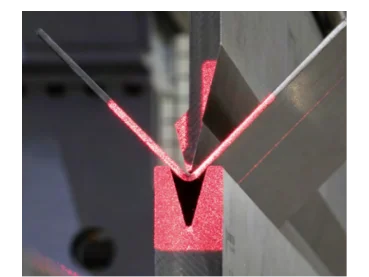
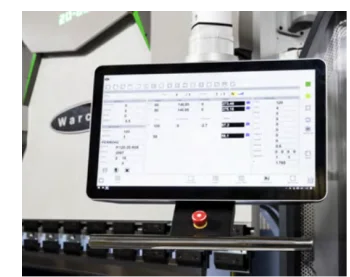
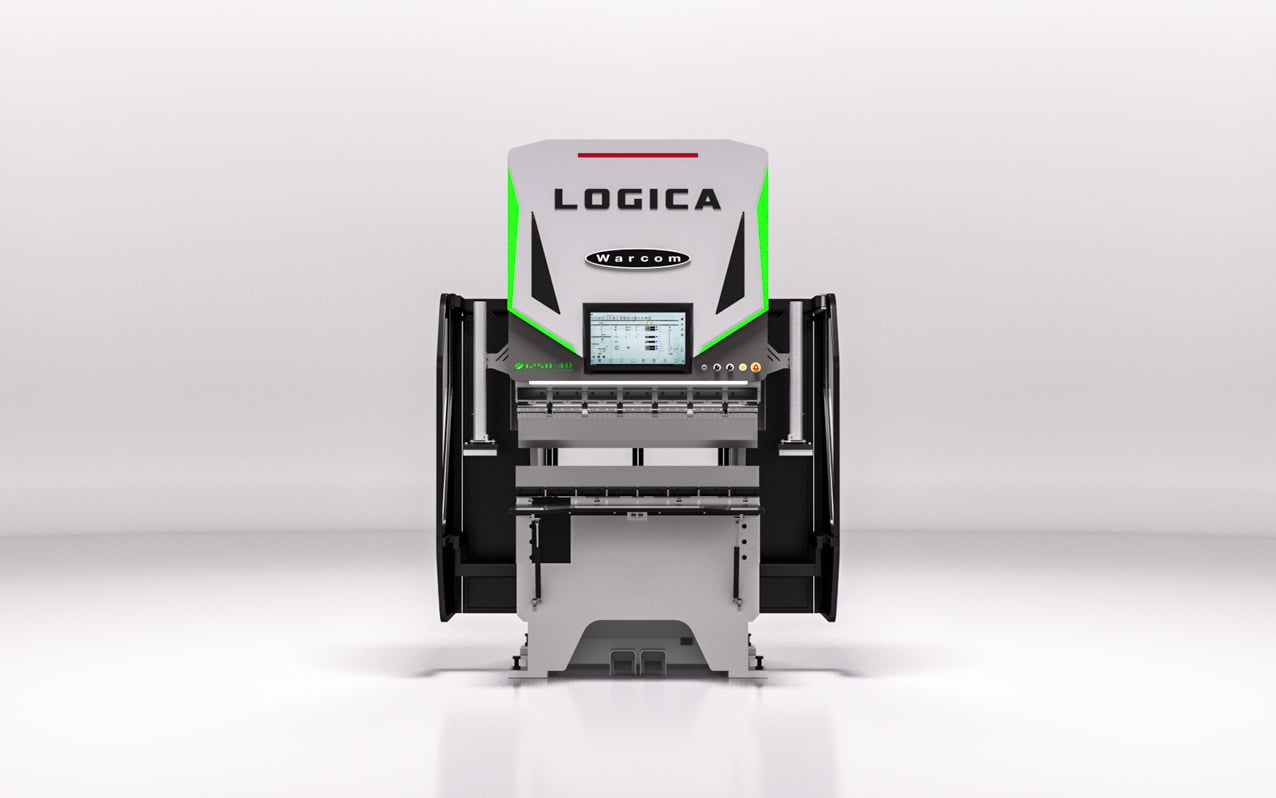
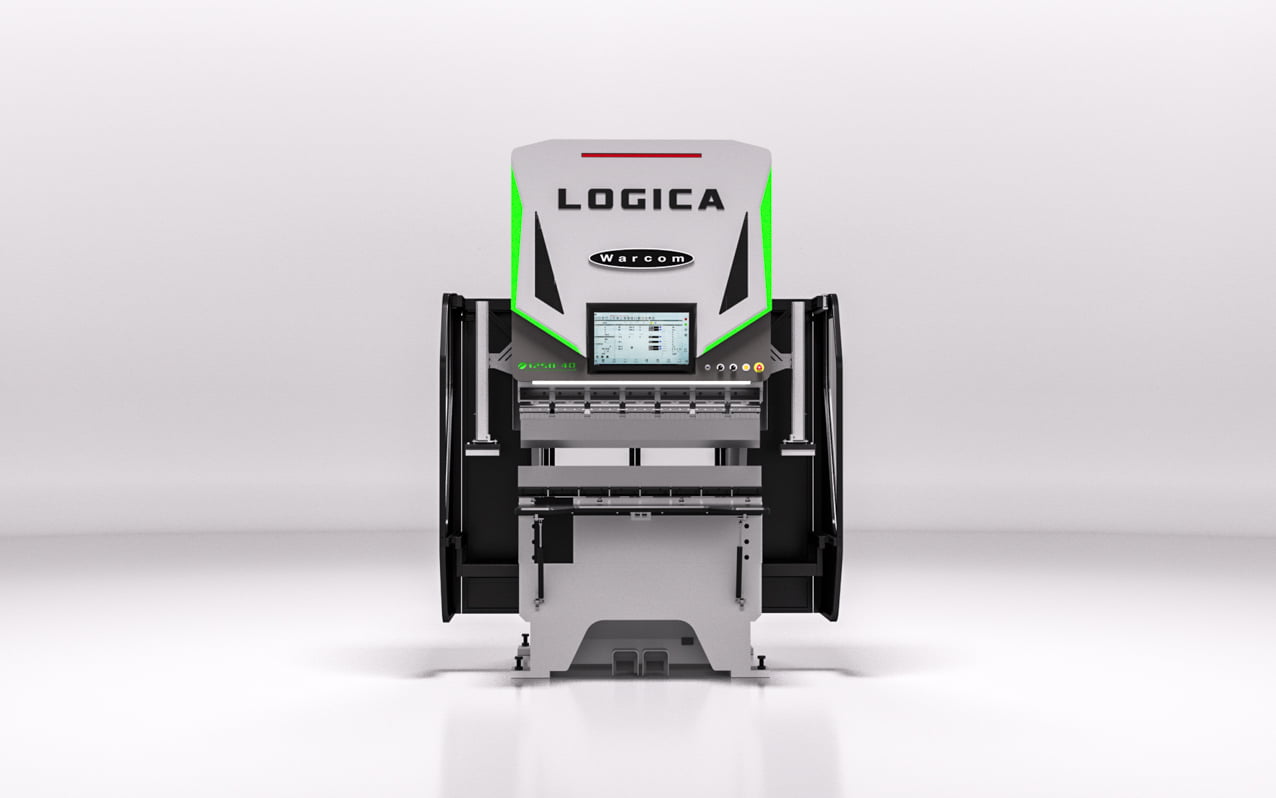
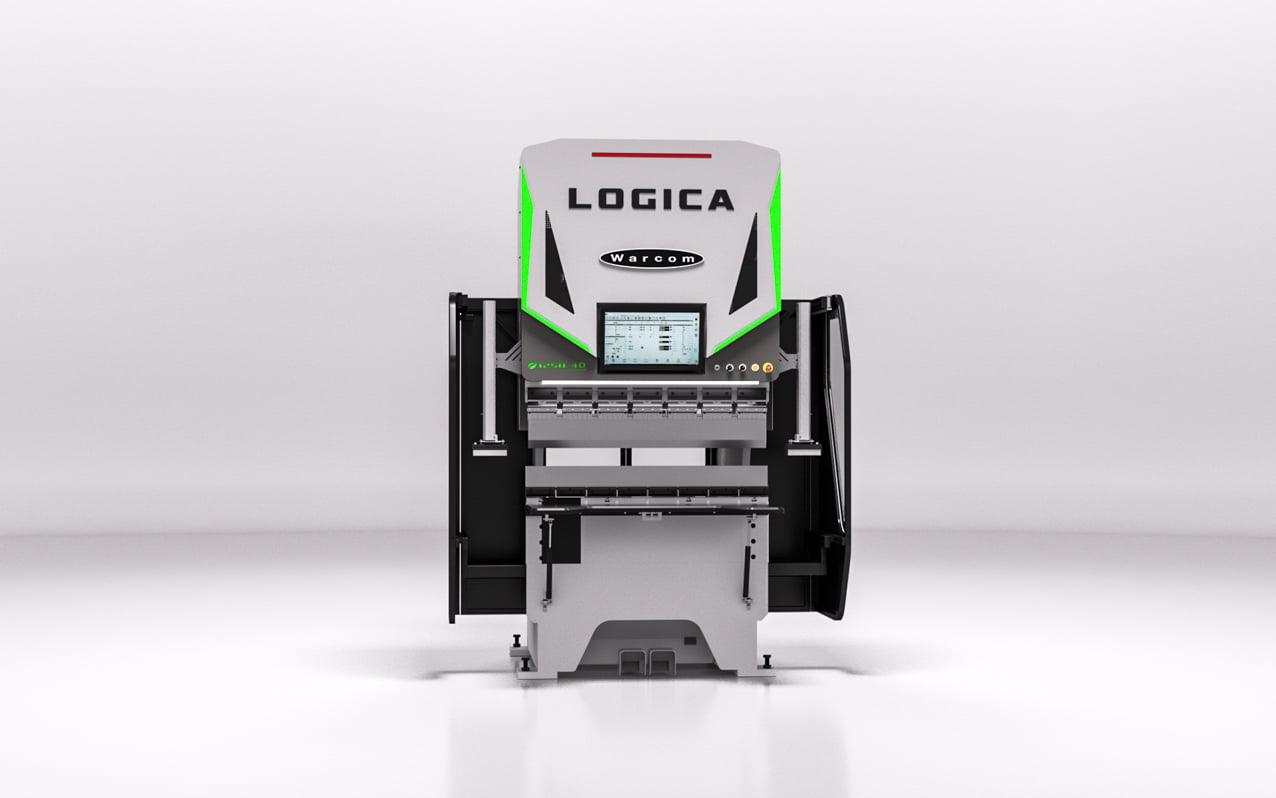
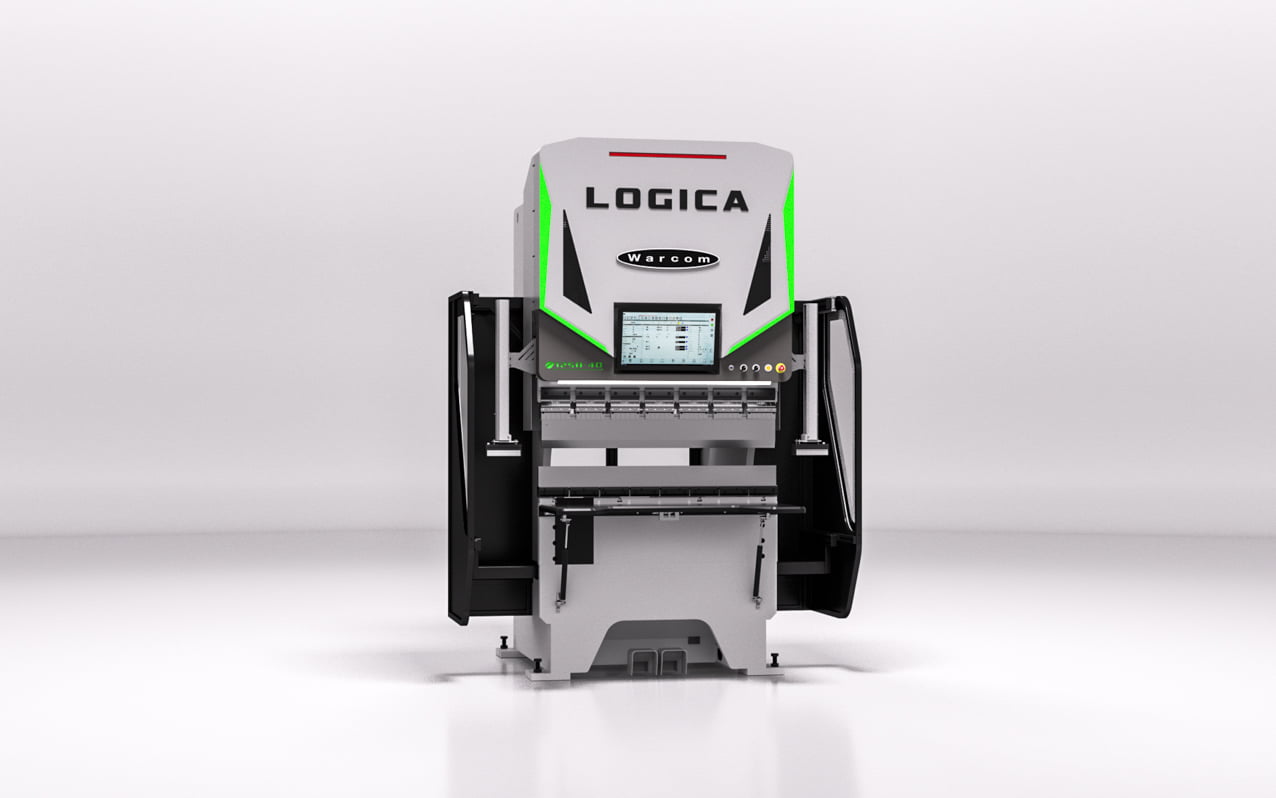
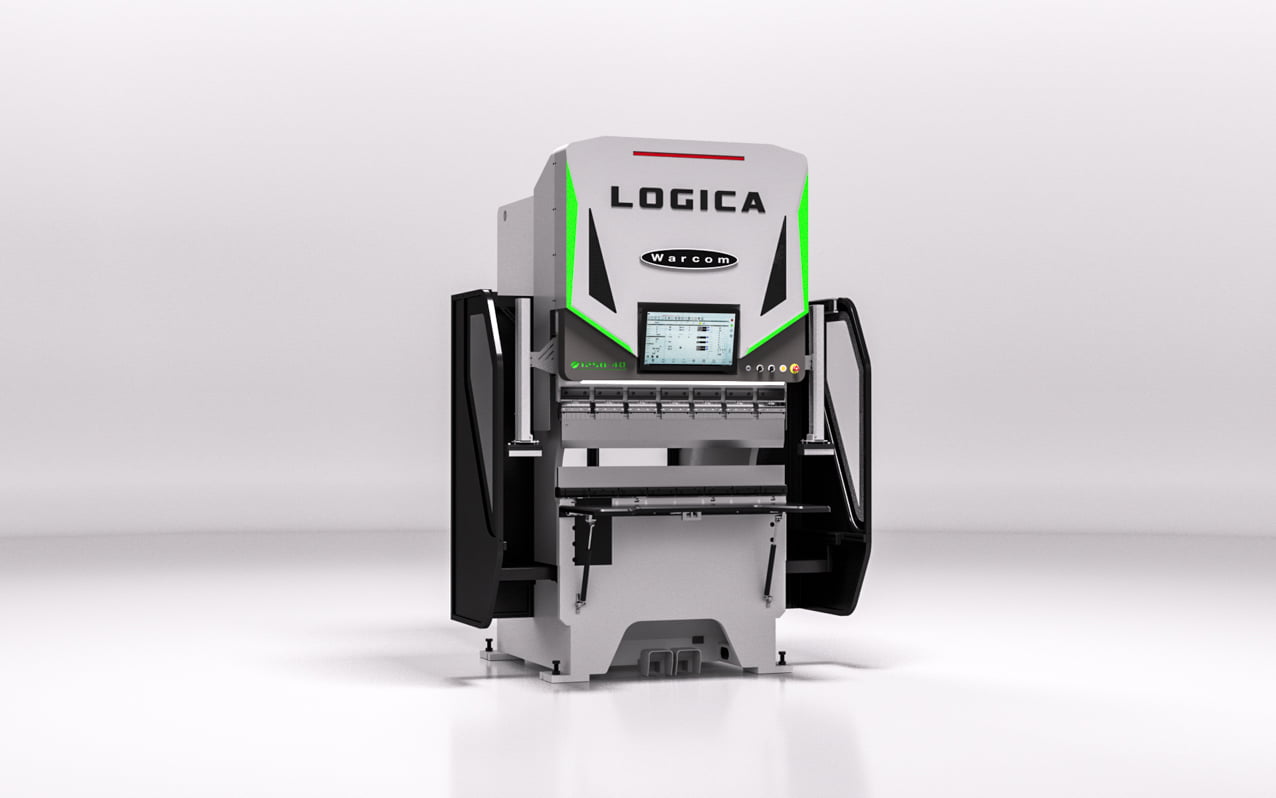
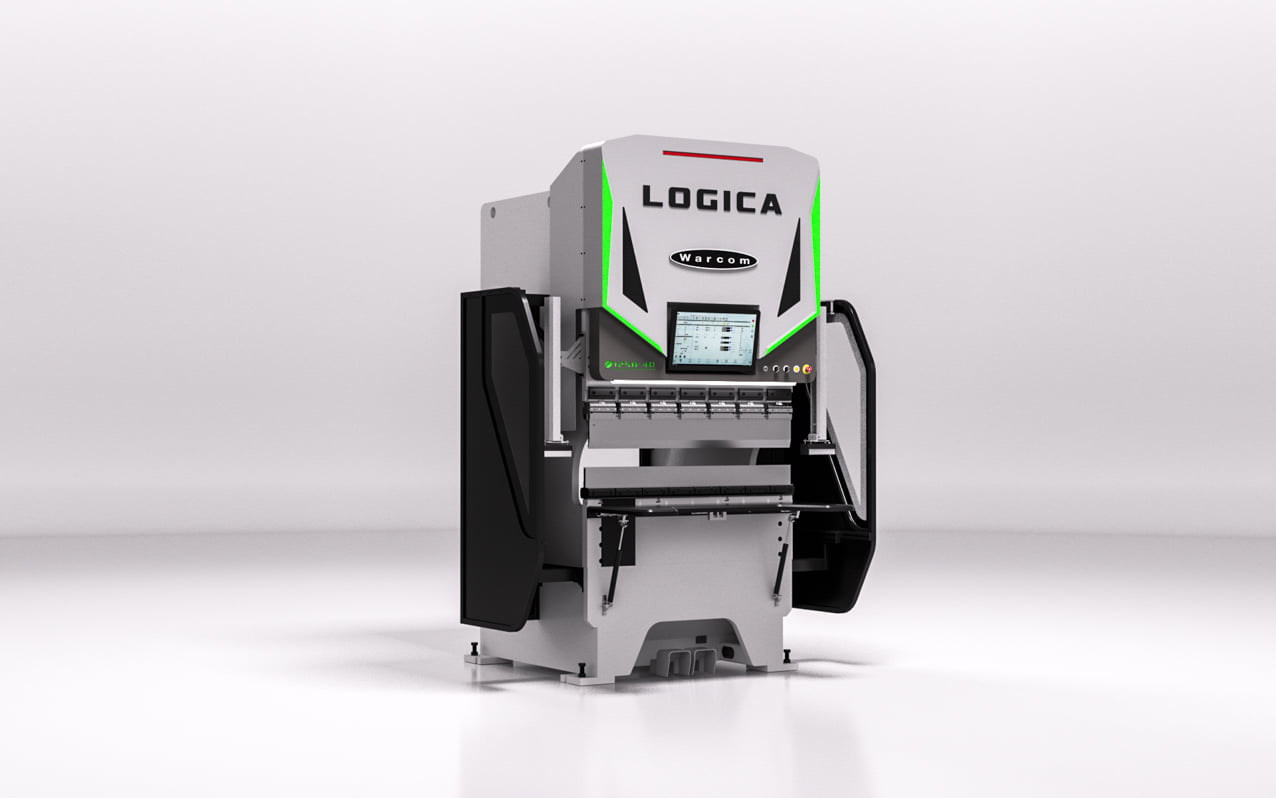
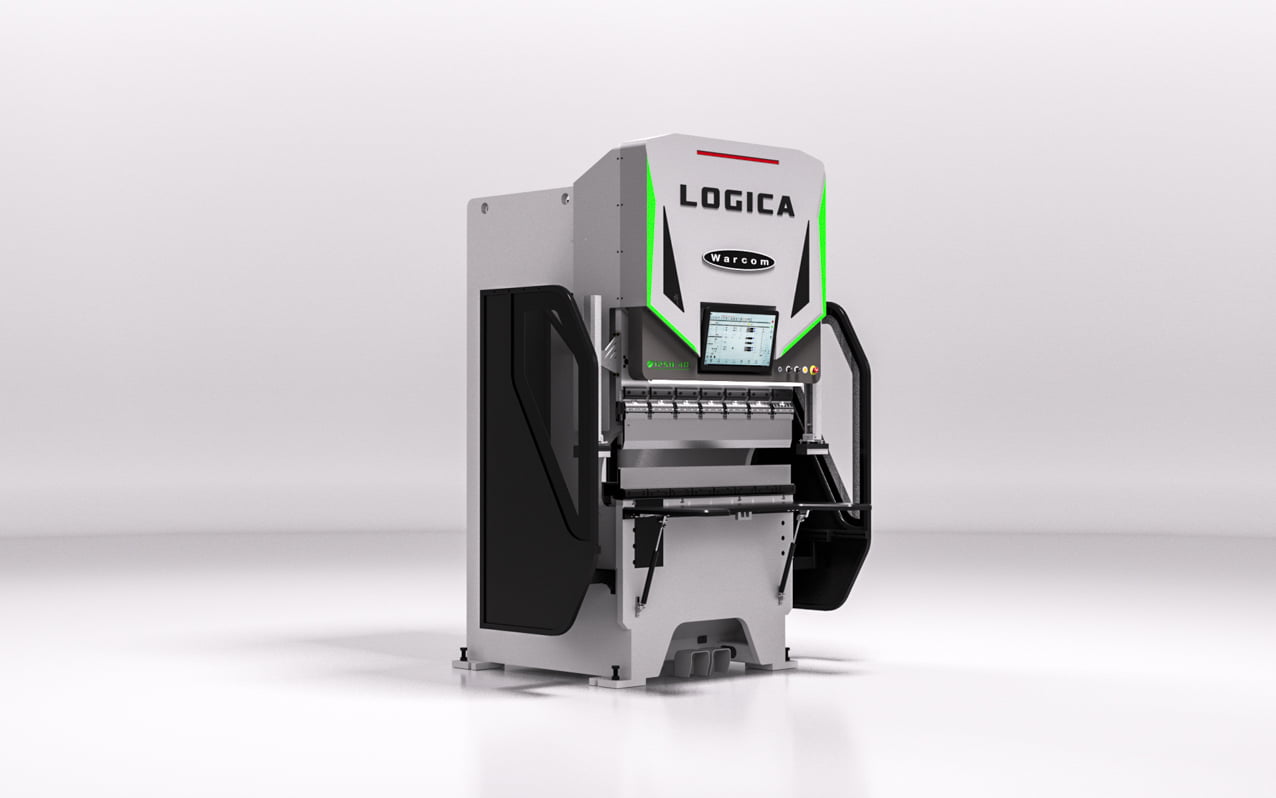
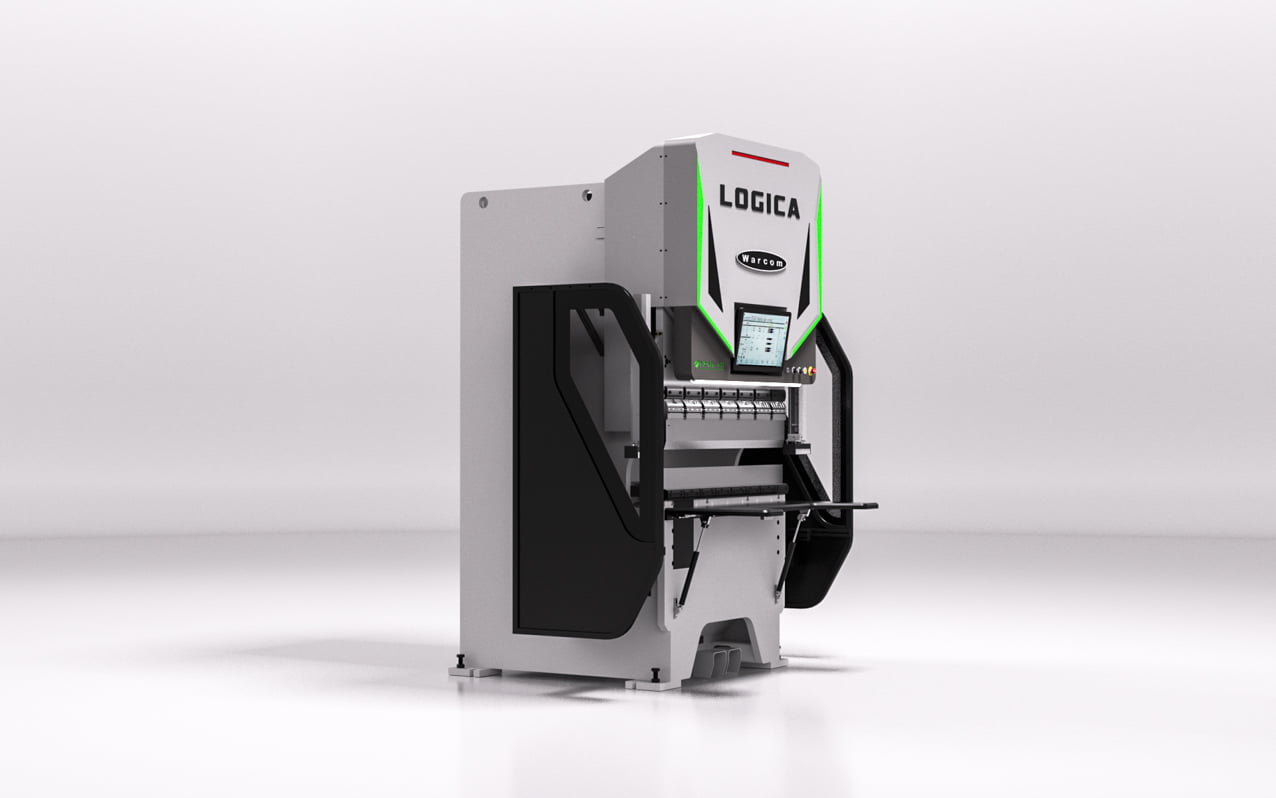
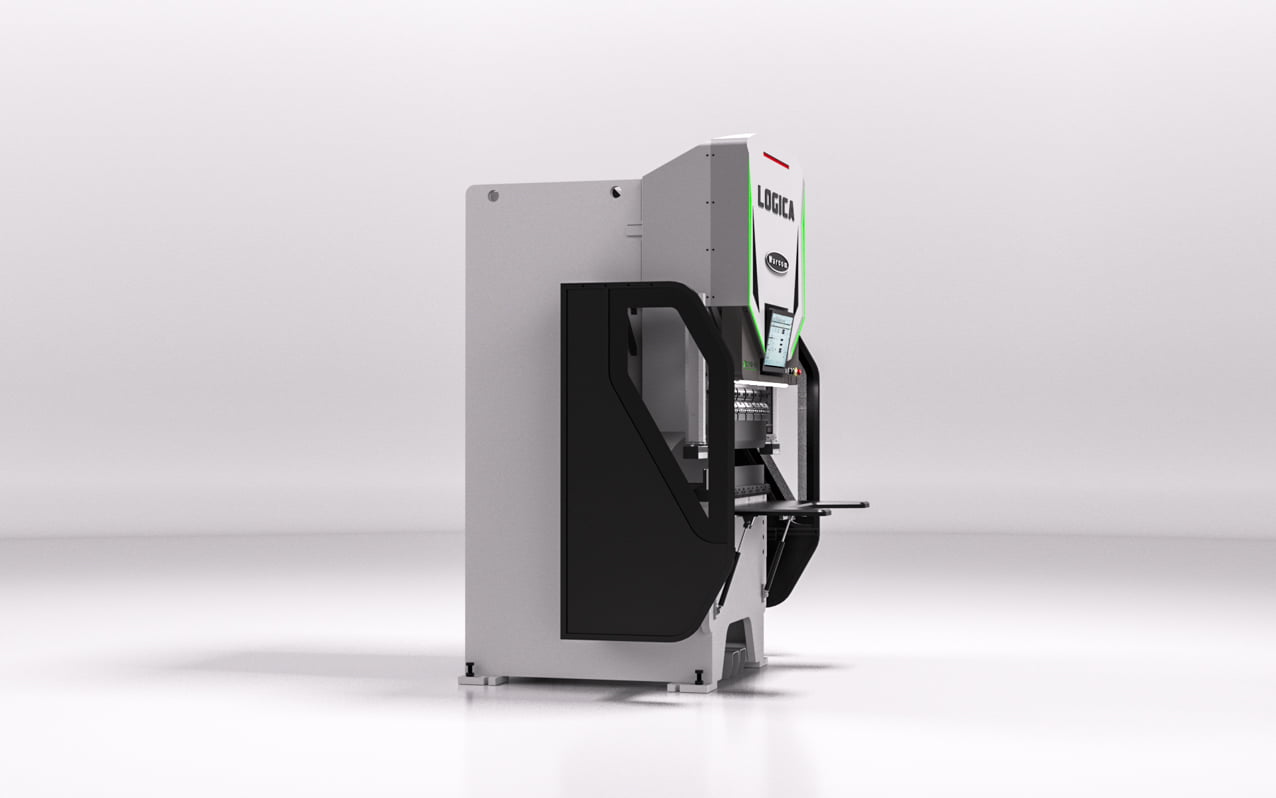
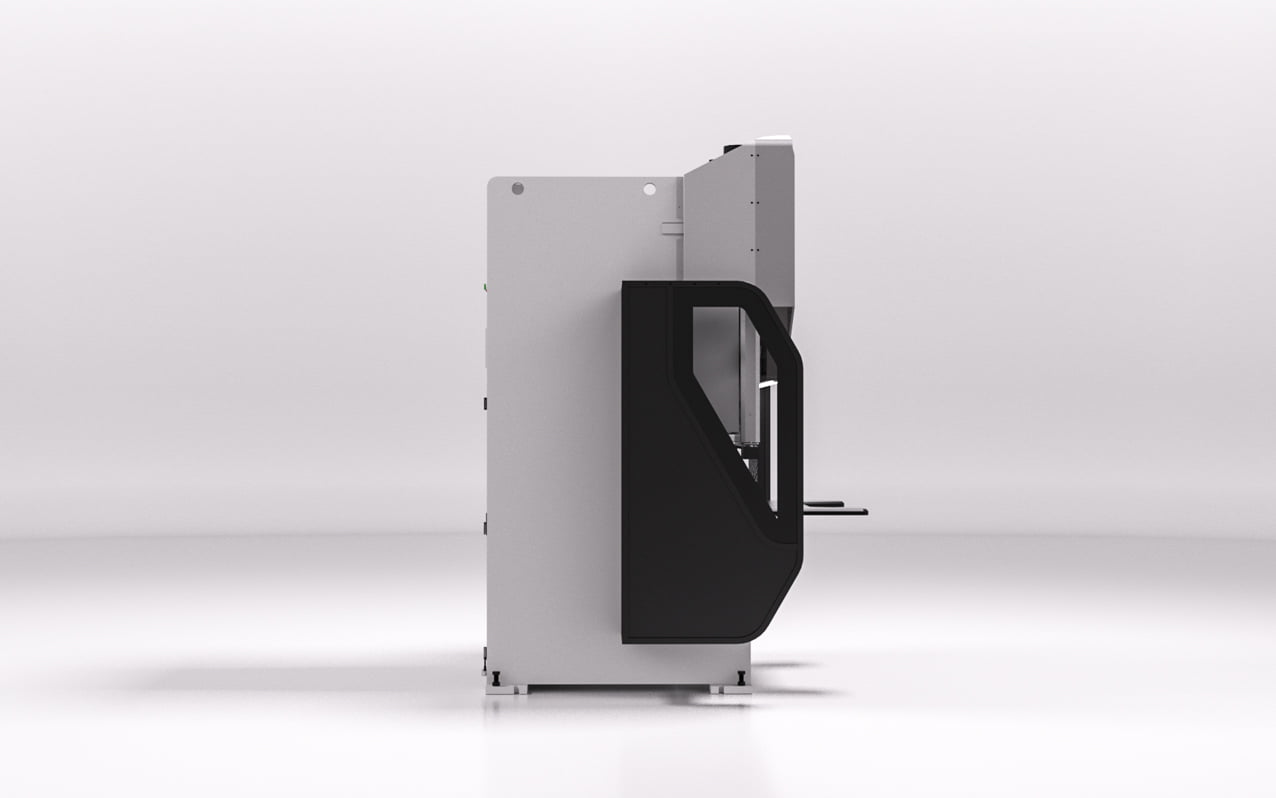
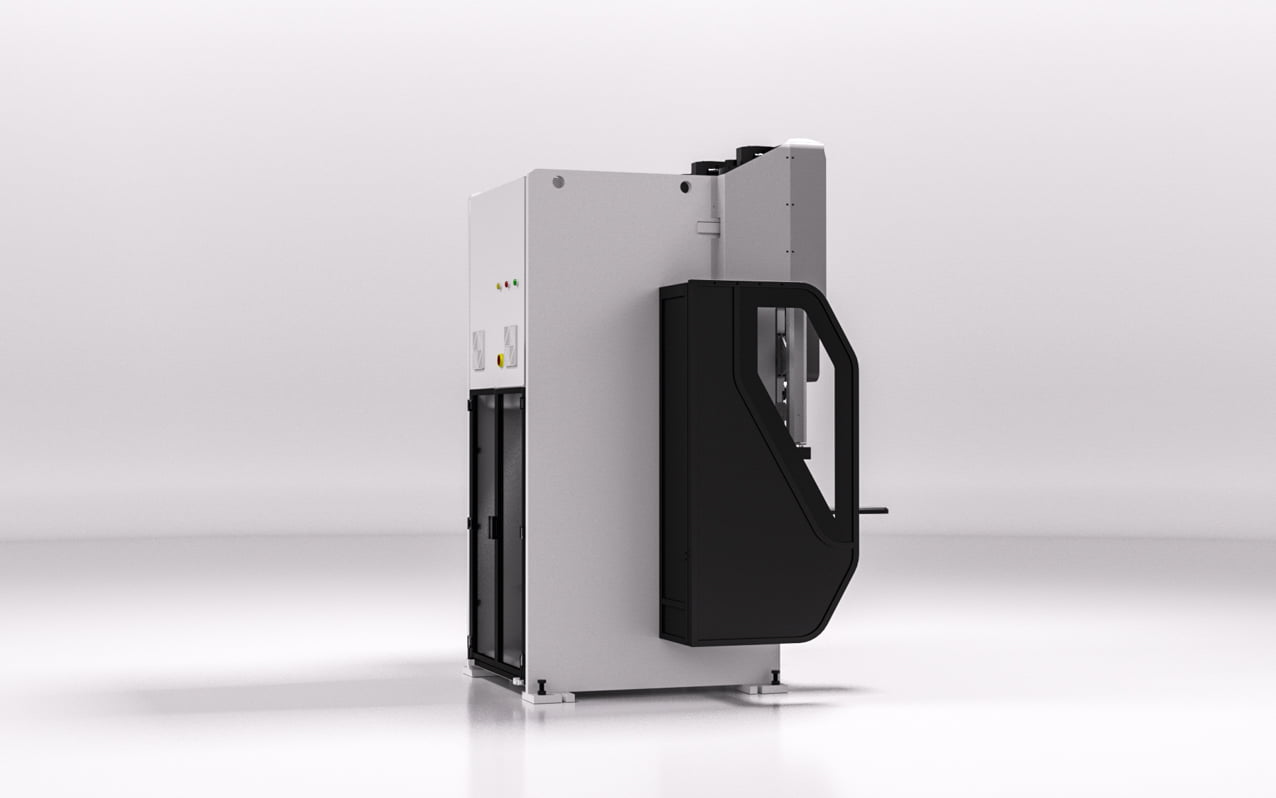
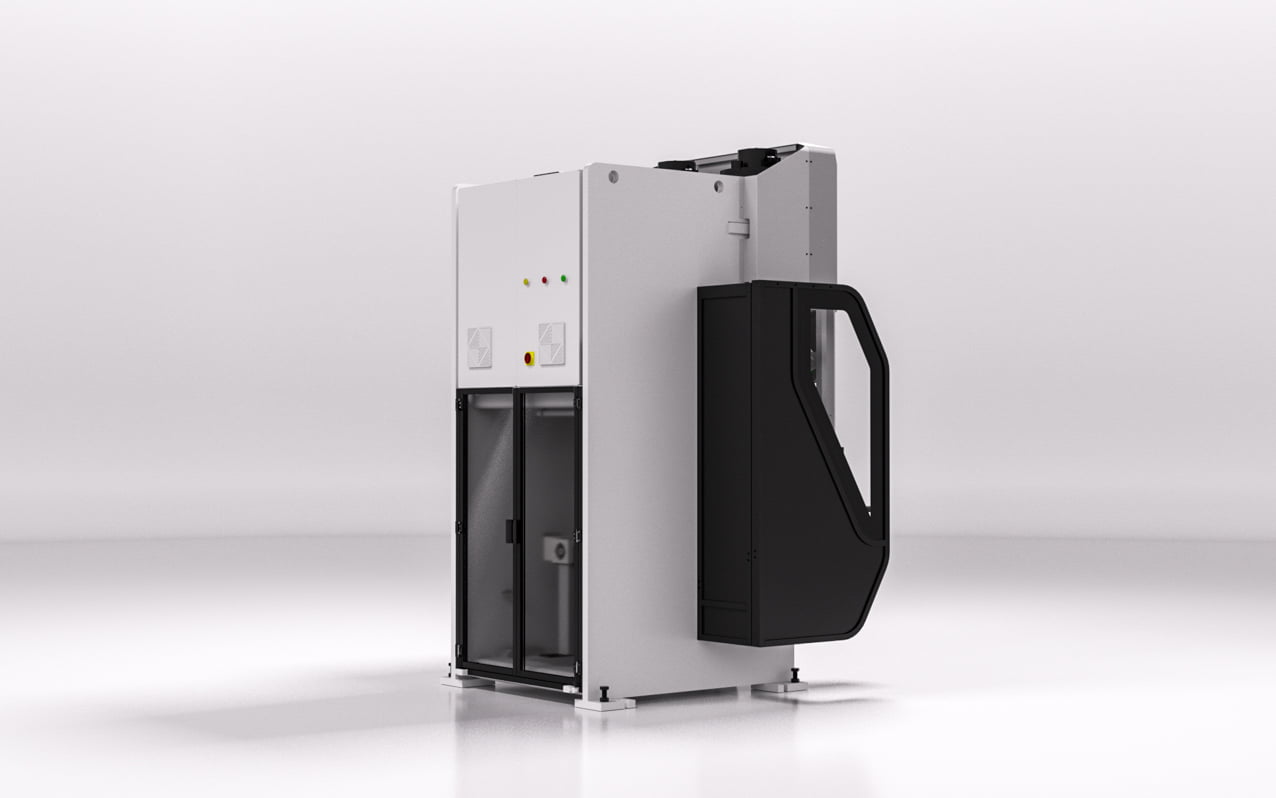
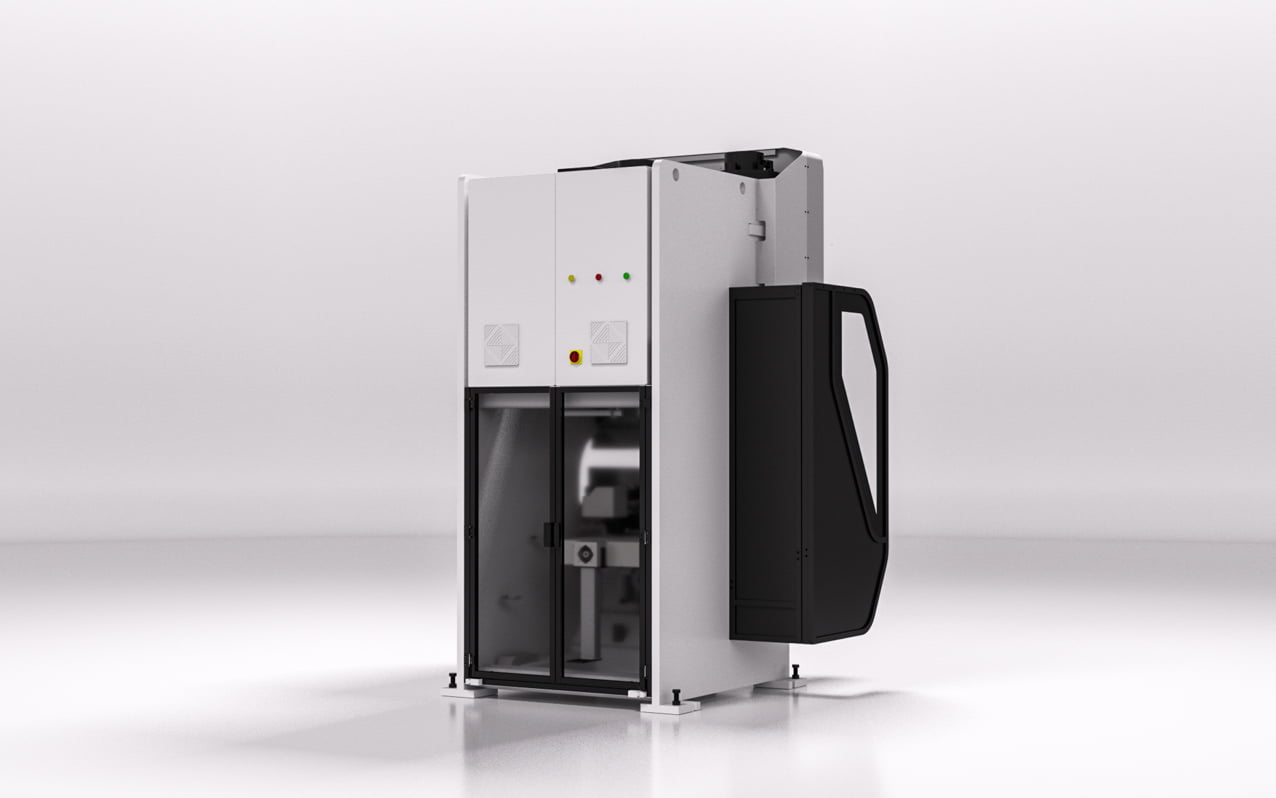
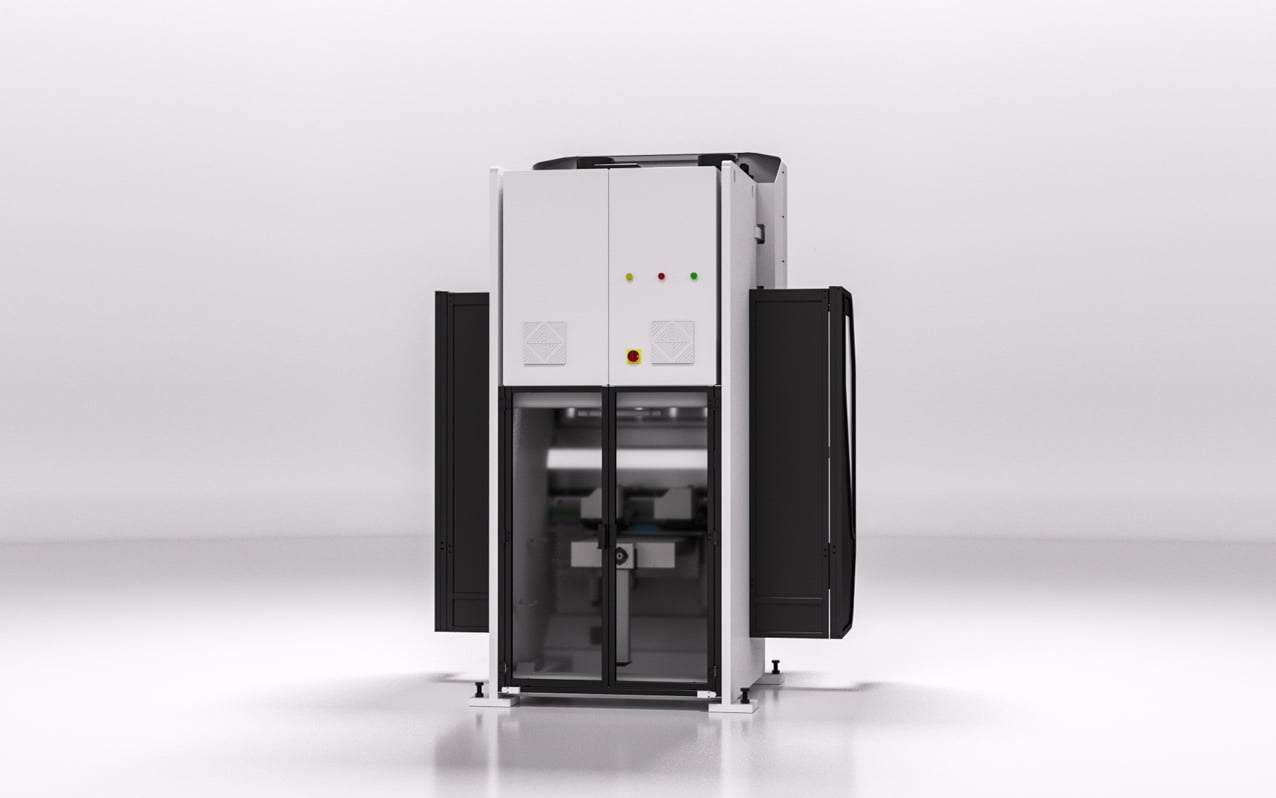
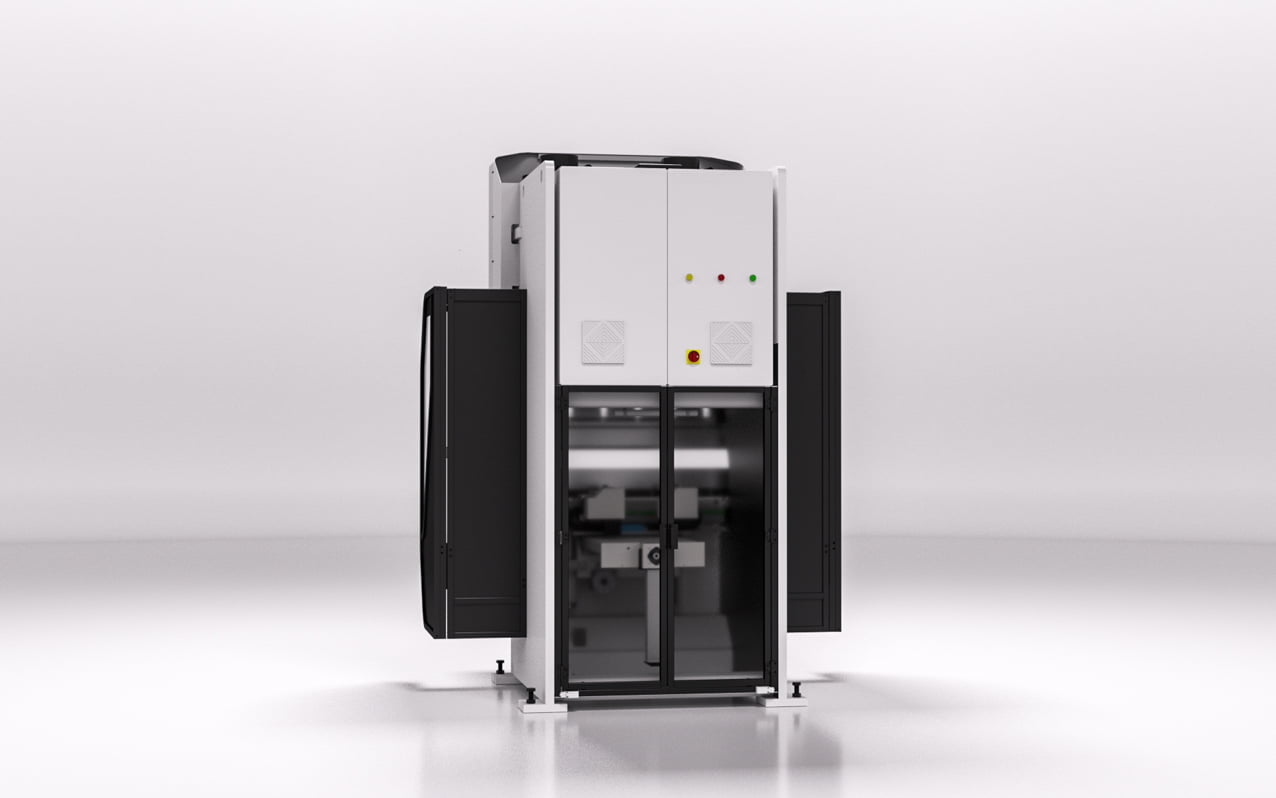
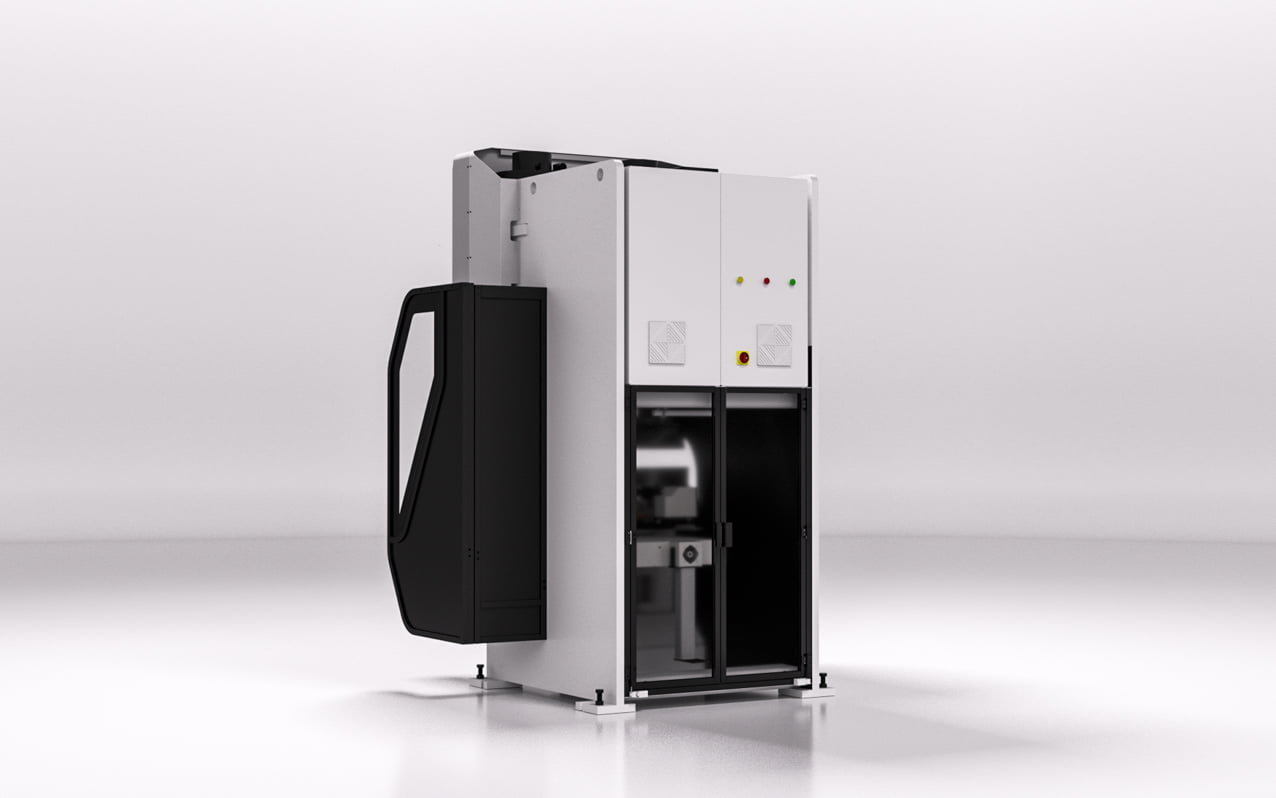
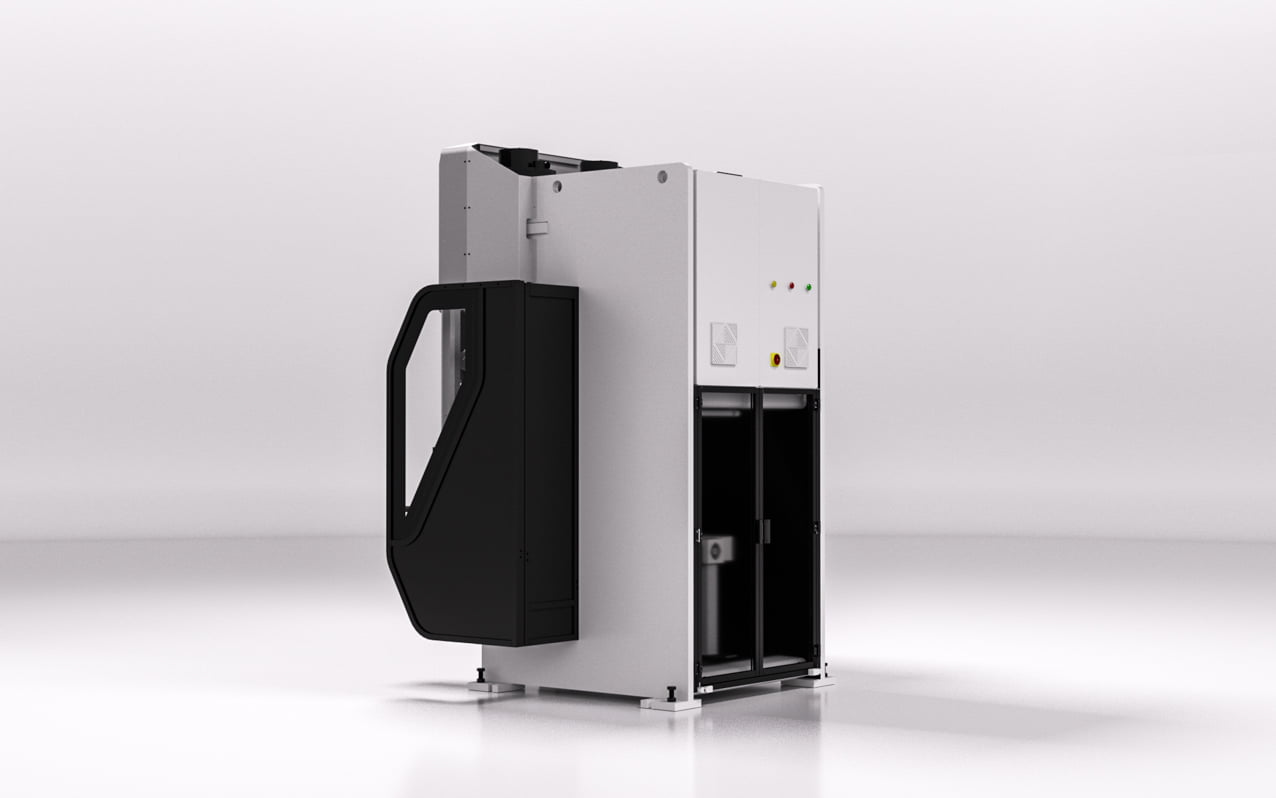
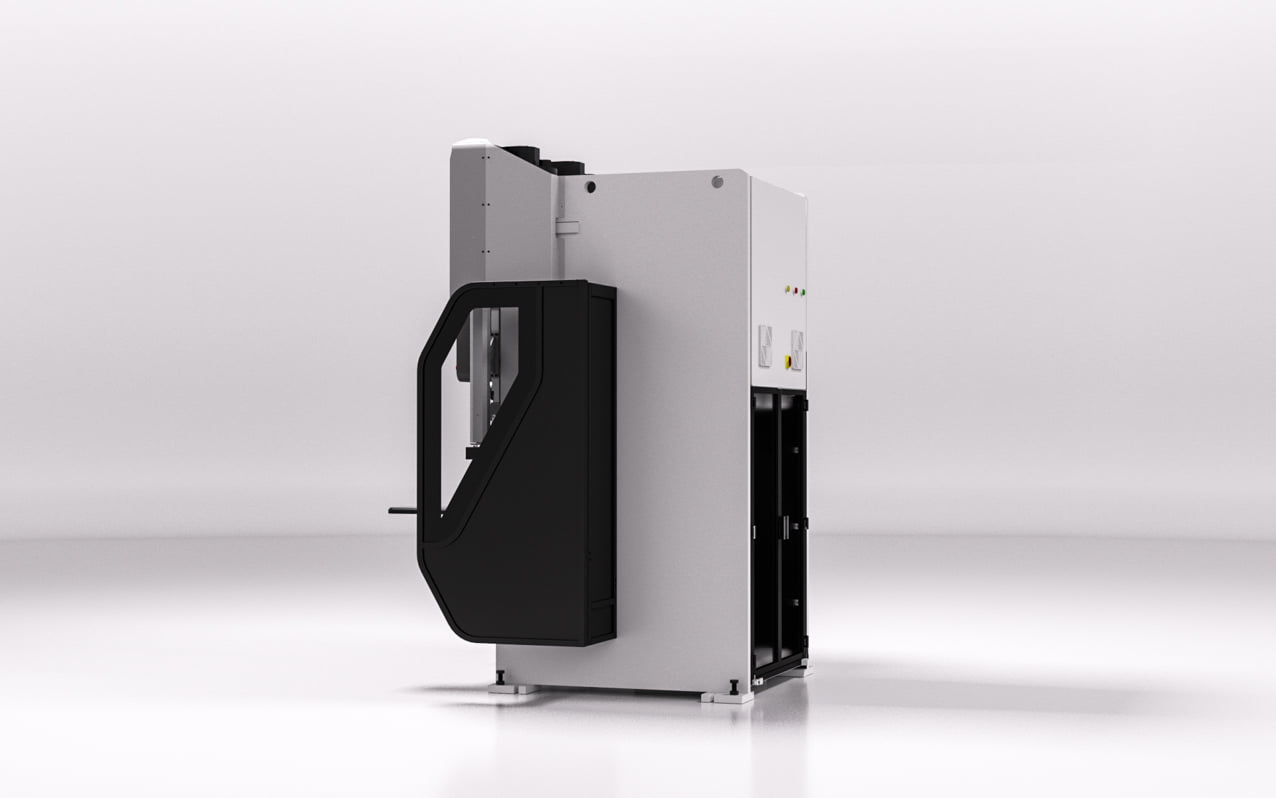
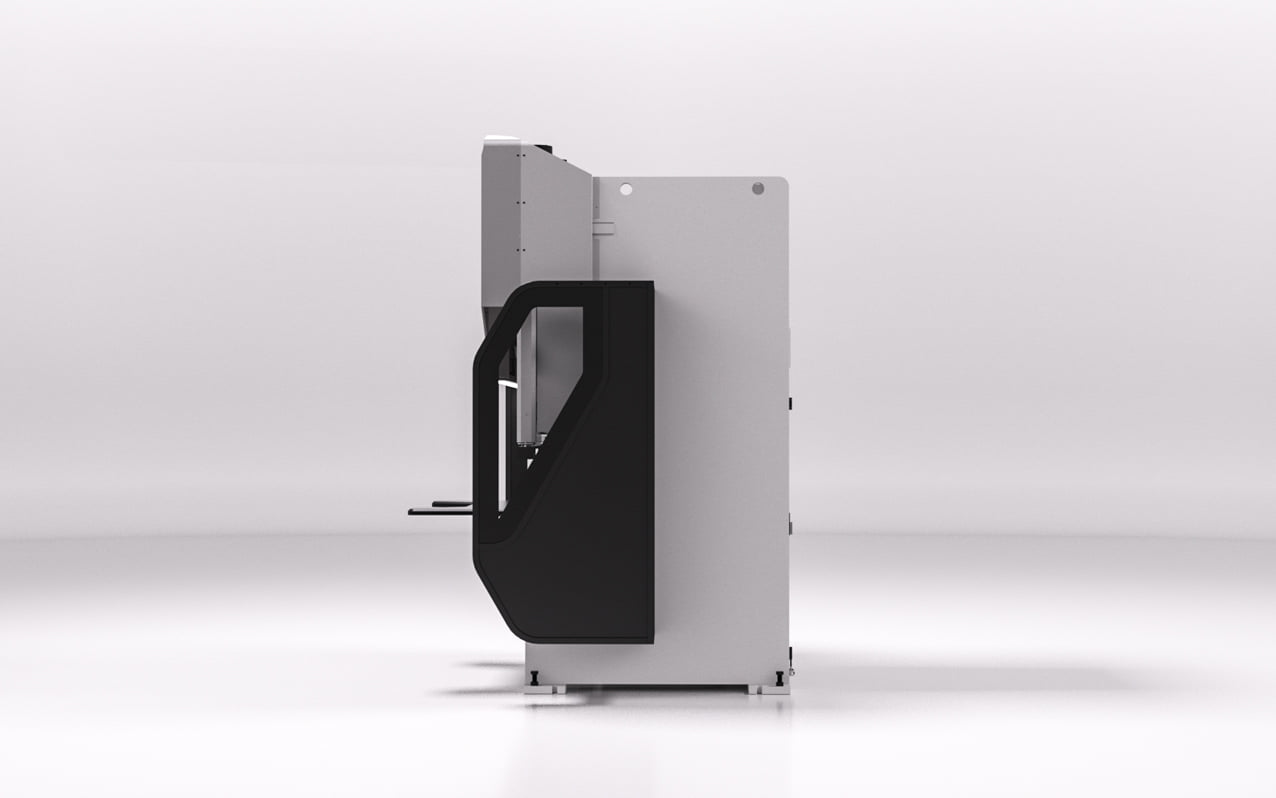
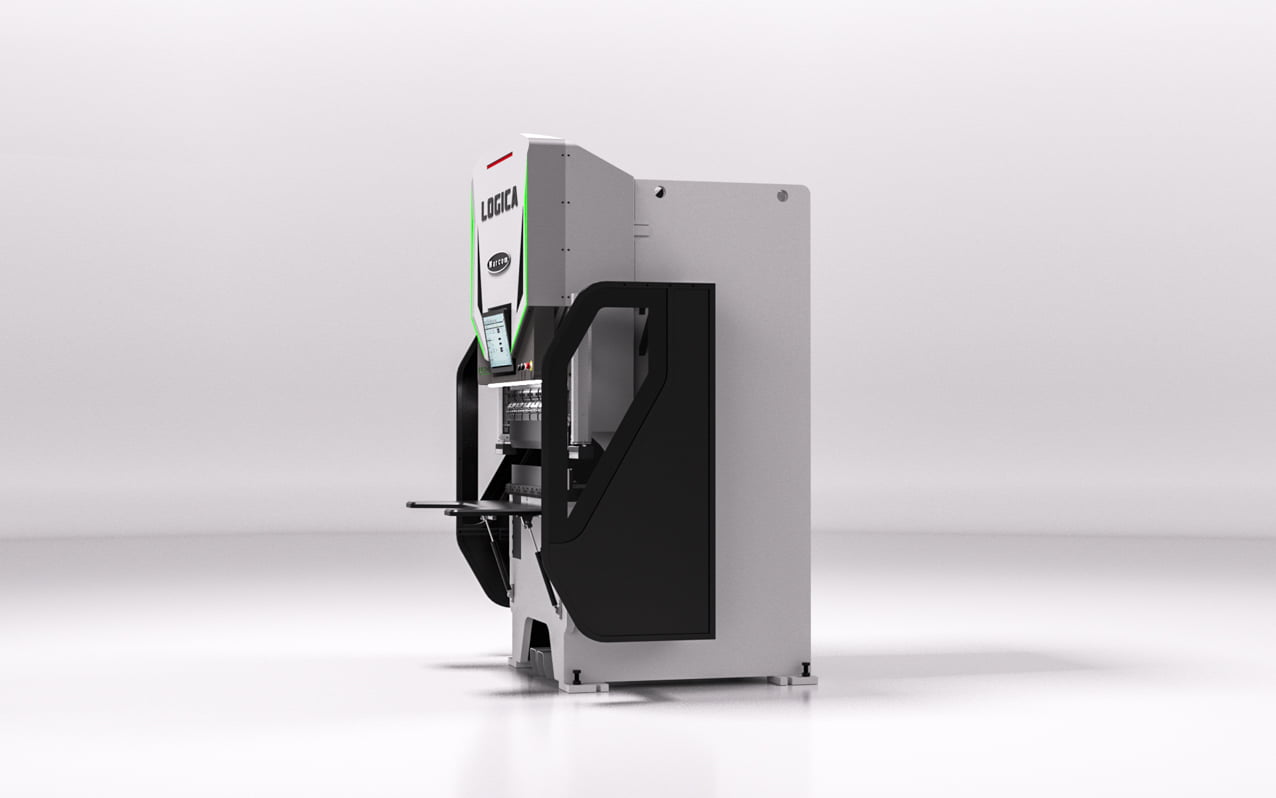
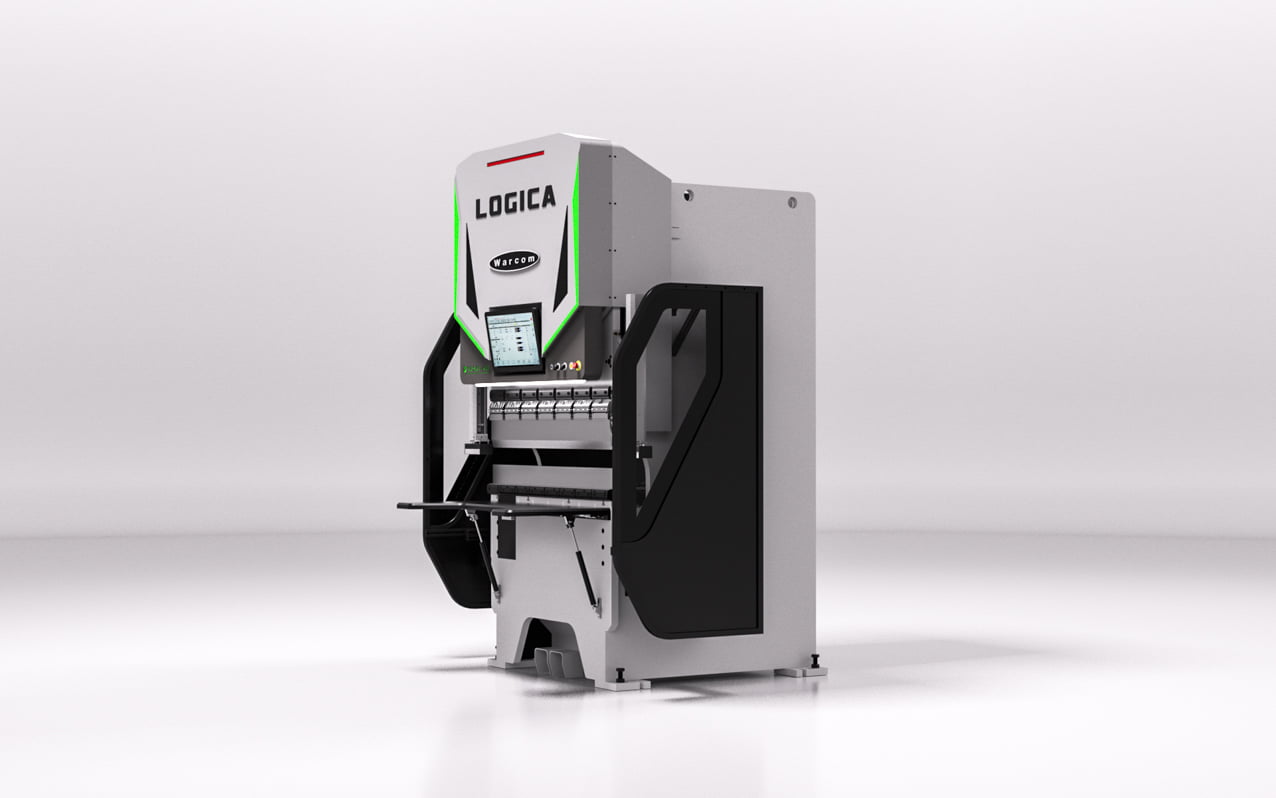
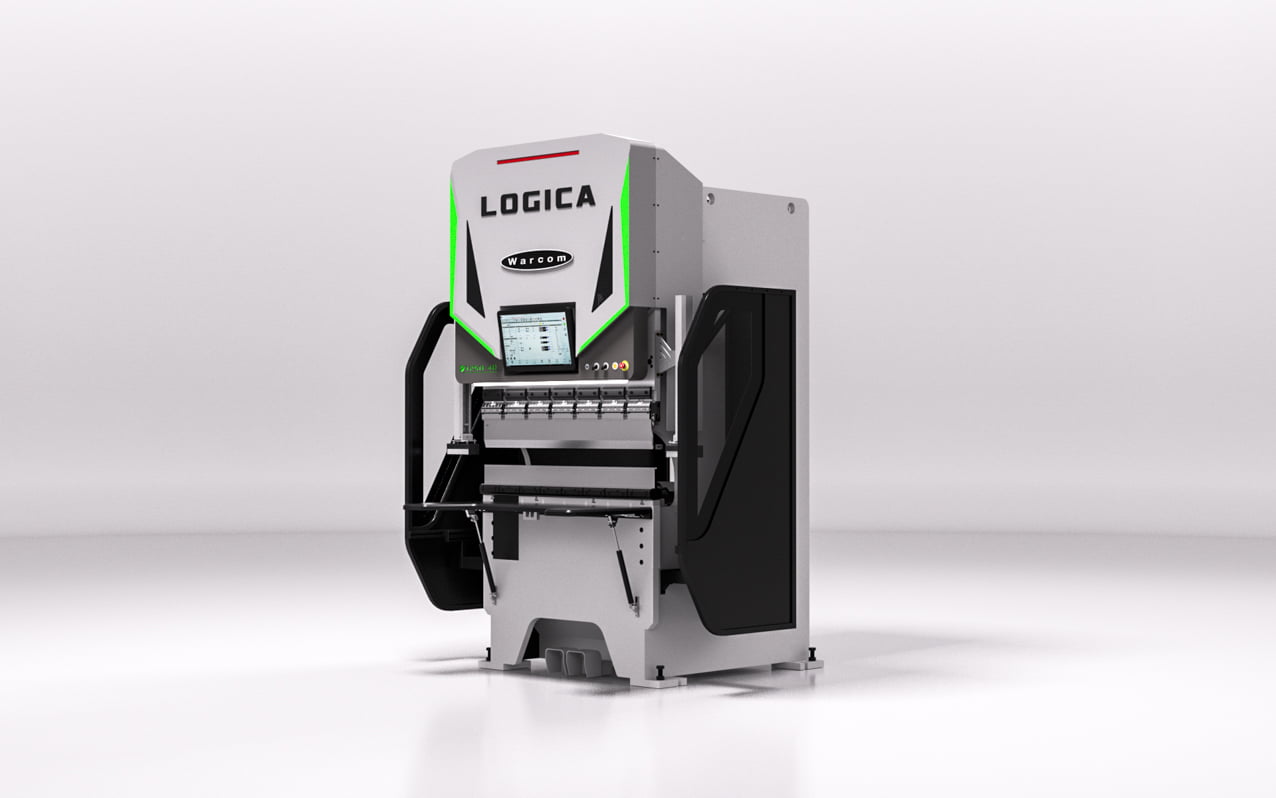
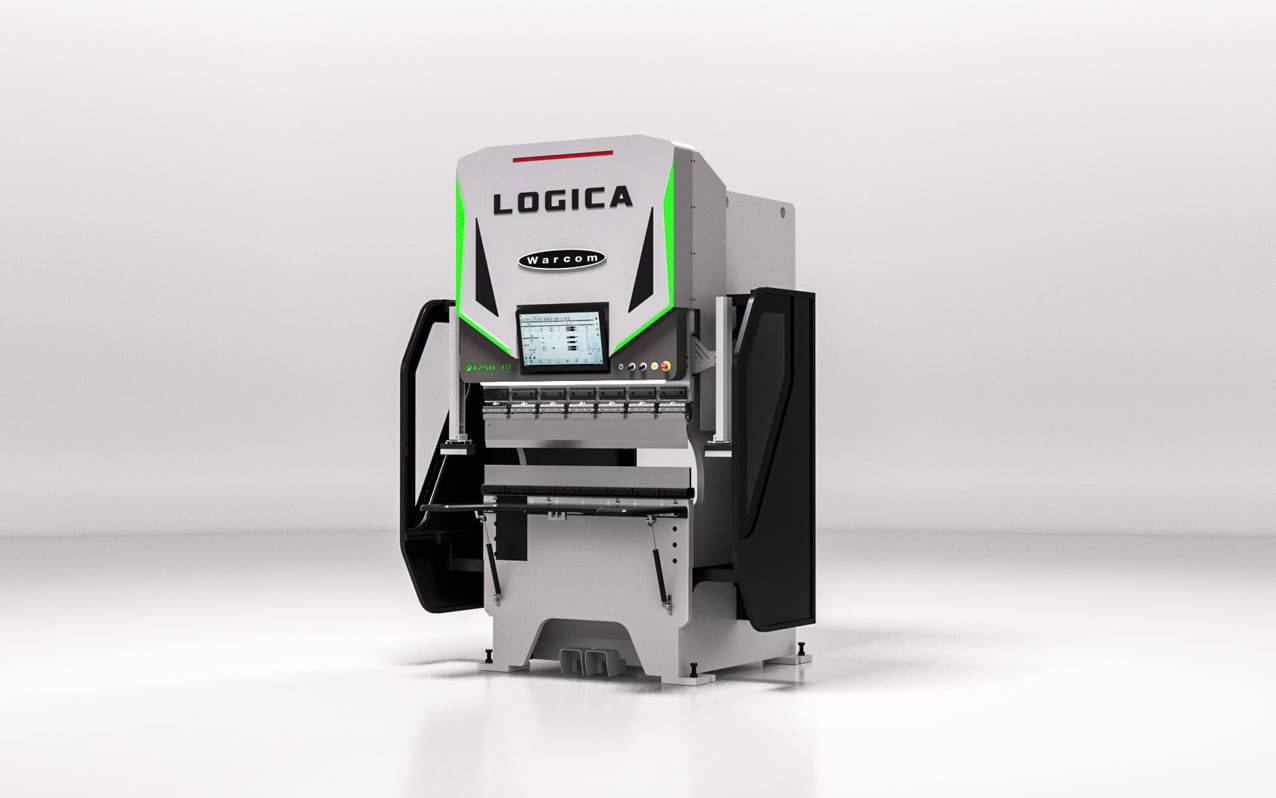
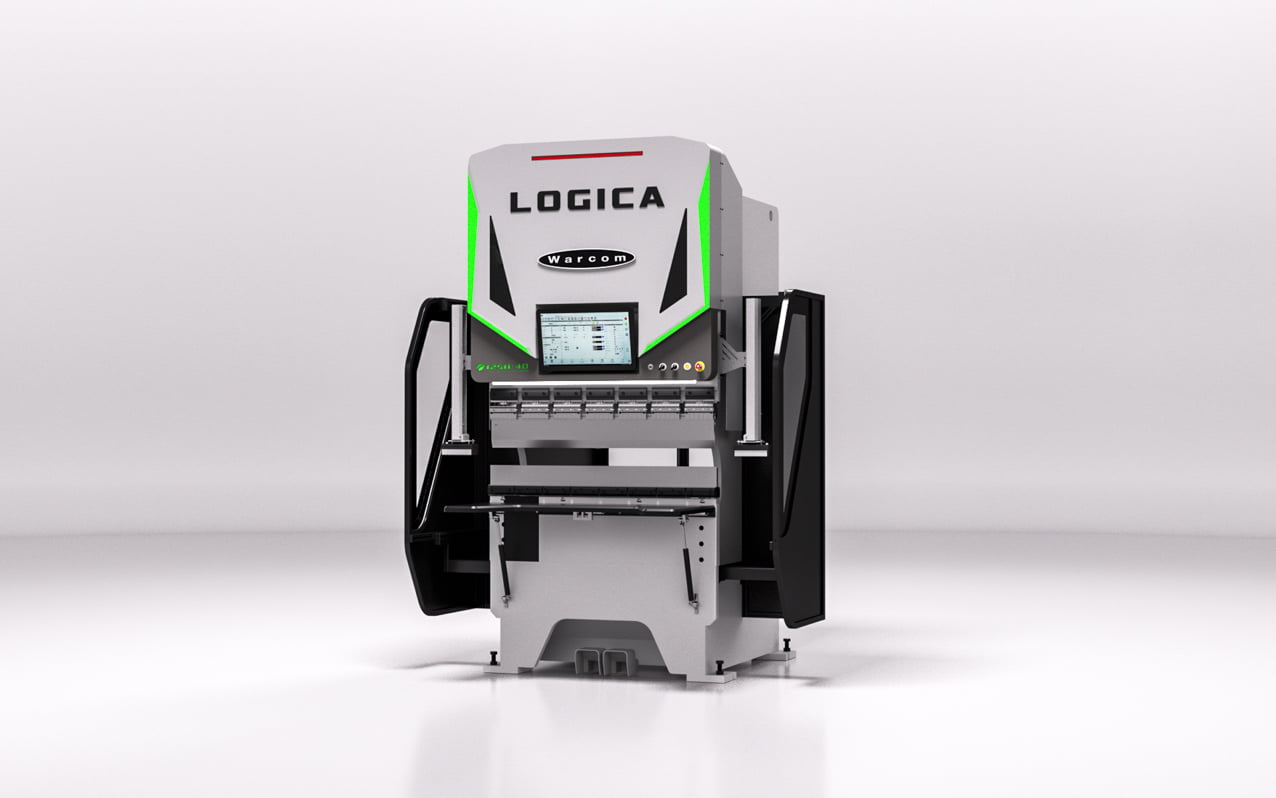
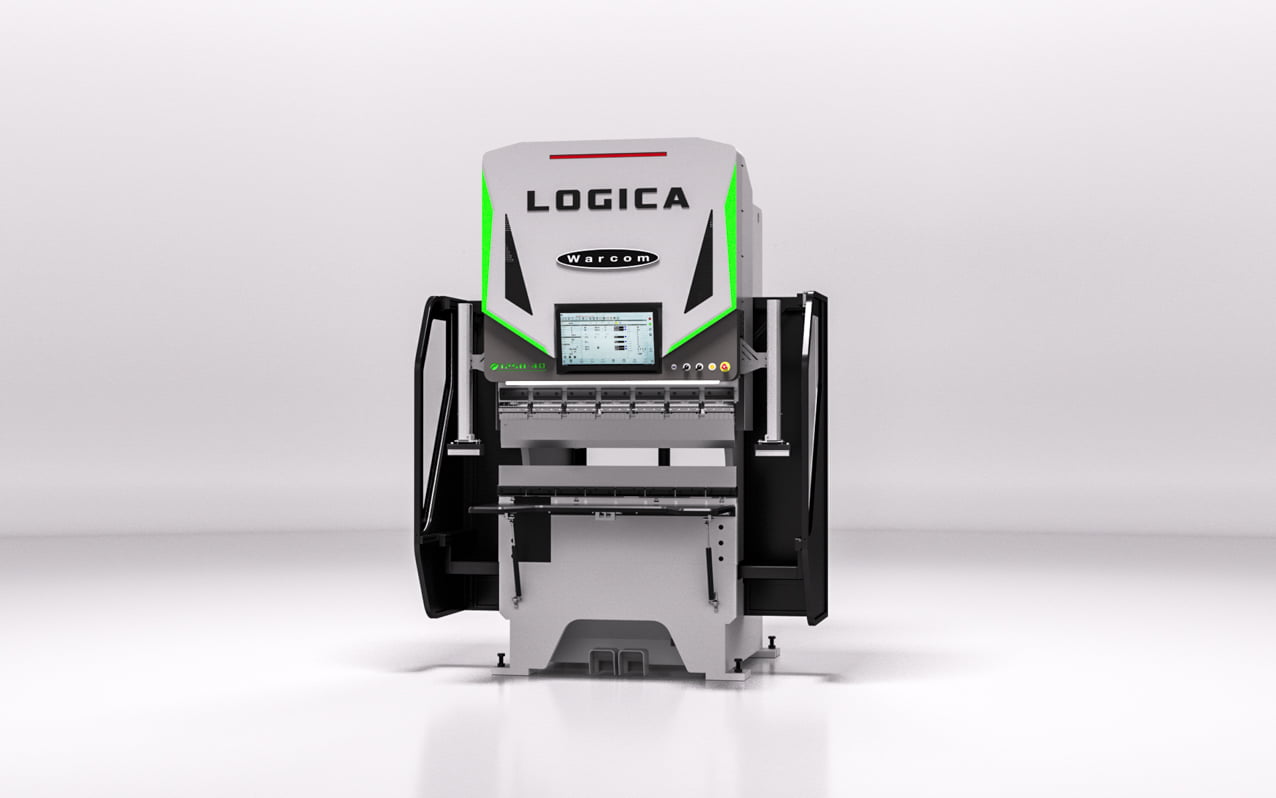
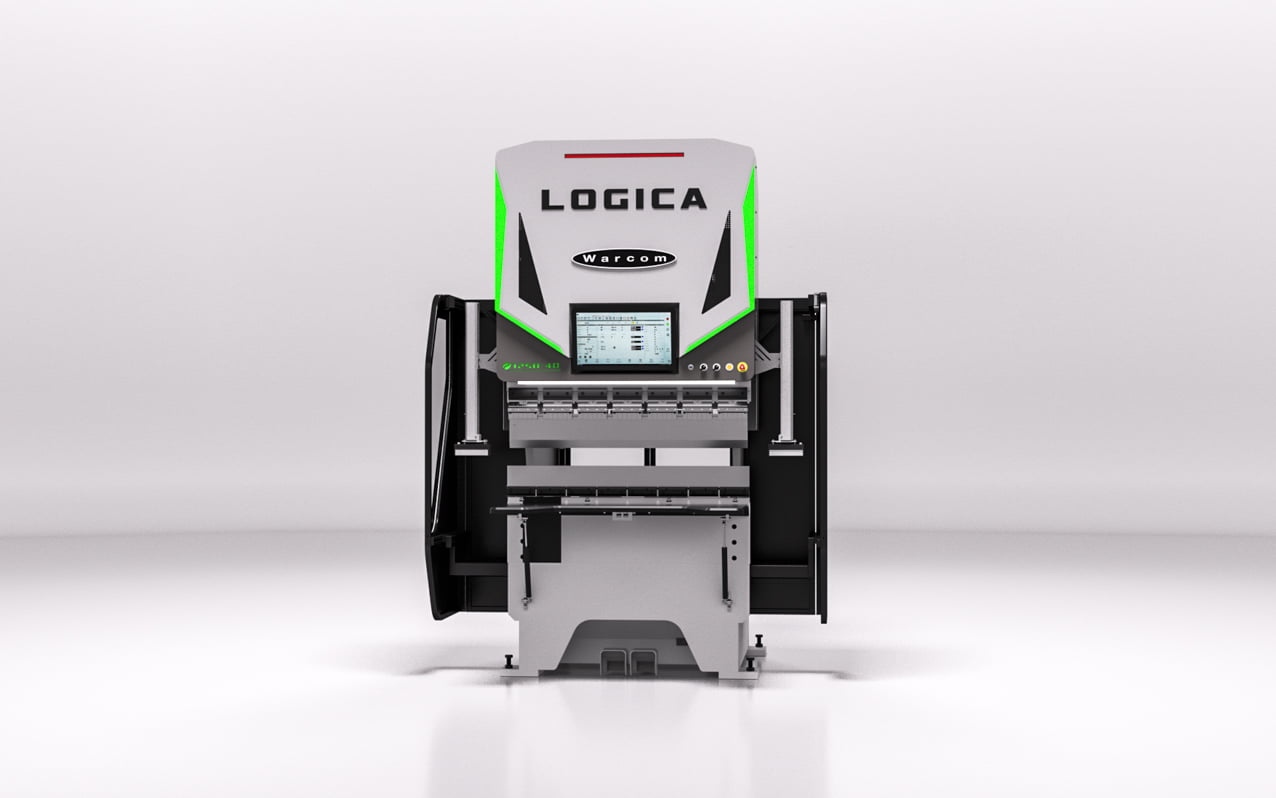
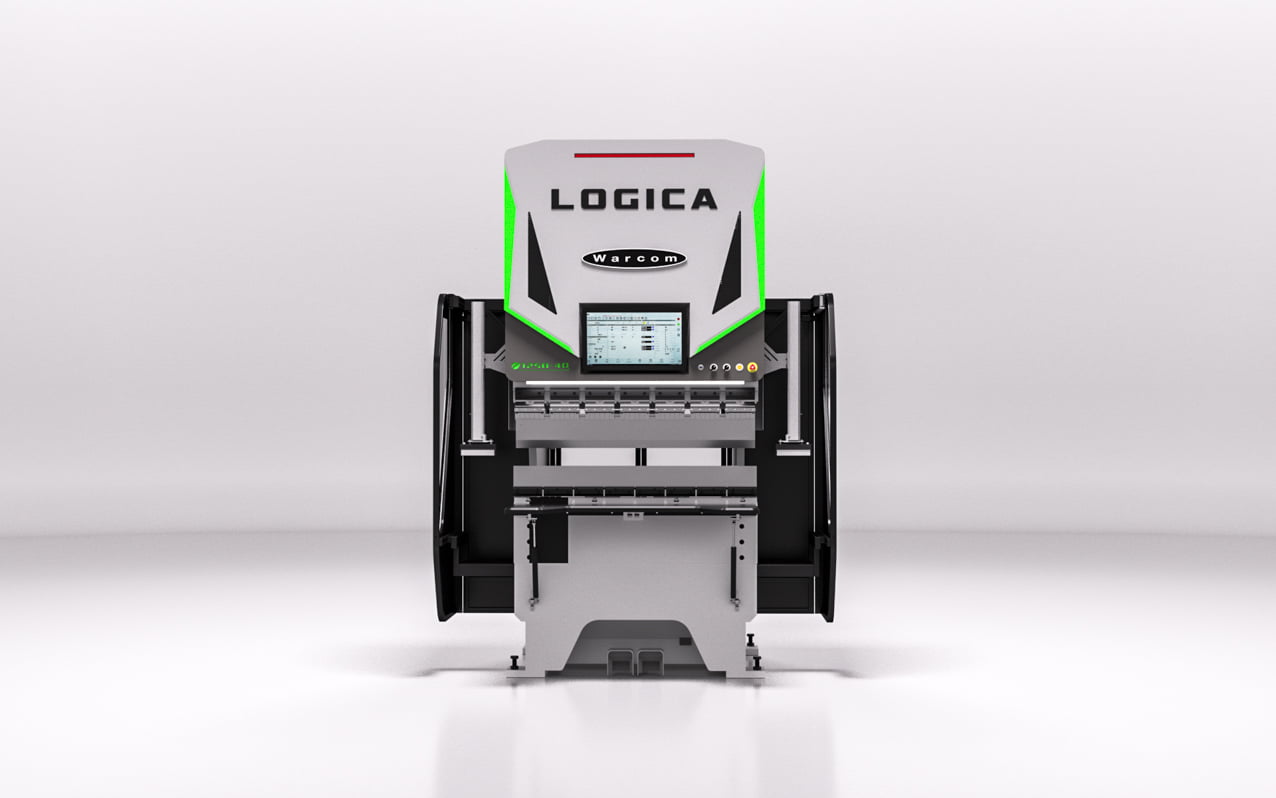
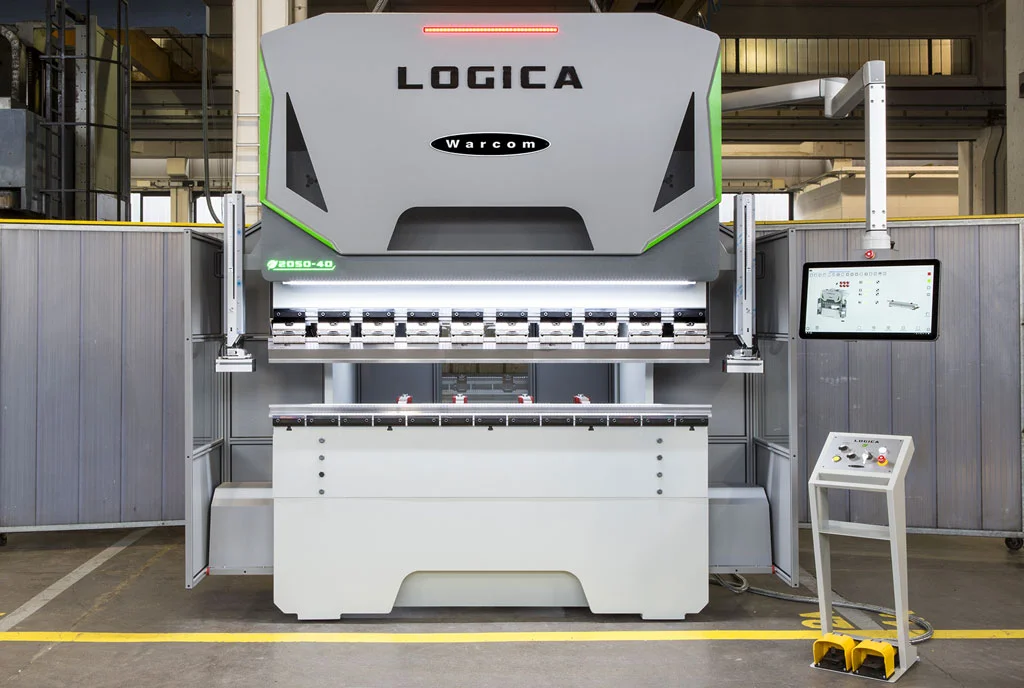
LOGICA is Warcom's 100% electric press brake, built for high accuracy, speed and reliability with no hydraulic system. Its direct drive, with the motor mounted right on the ballscrew, delivers fast, precise motion with fewer mechanical components and quiet, efficient operation. Ram positioning accuracy reaches ±0.0002" (±0.005 mm), thanks to linear scales mounted on the frame that read the ram position directly and compensate for frame deflection. Highly dynamic drives also cut cycle times and raise productivity, while holding accuracy and repeatability through the most demanding production runs.
HYDRAULIC PRESS BRAKE
60–400 t · 2–4 m
Discover moreHigh-tonnage press brake
40–2.000 t · FINO A a 14 m
Discover moreREQUEST CATALOGUE
REQUEST QUOTE
What's the difference between a hydraulic and a full-electric press brake?
A hydraulic press brake generates bending force through a hydraulic circuit and suits applications that need high tonnage and versatility. A full-electric press brake drives the ram directly with electric motors, delivering high accuracy, speed and repeatability with lower energy use and less maintenance. In the Warcom range, DINAMICA and FUTURA are hydraulic; LOGICA is 100% electric.
Does LOGICA have a crowning system?
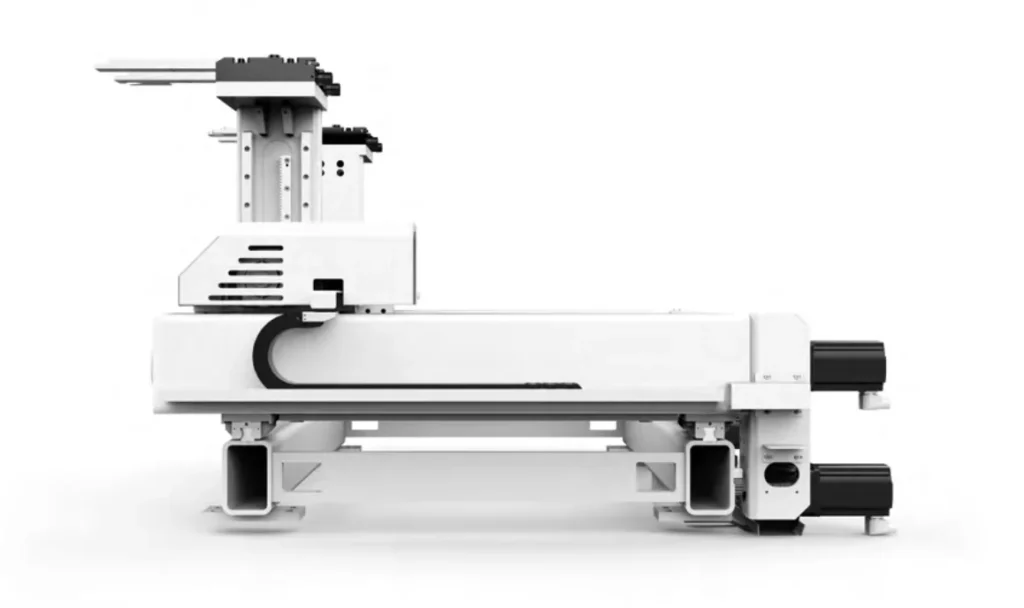
LOGICA doesn't use the DCS or FCS1 crowning systems found on the hydraulic DINAMICA and FUTURA. Instead, it can be equipped with a motorized mechanical crowning table with longitudinal wedges, managed by the CNC. It's reliable and precise, and it can also be retrofitted after purchase.
What work is LOGICA best suited for?
LOGICA is built for bending small parts where high performance, speed and repeatability matter. The range covers 44 to 176 US tons (40–160 t), with usable bending lengths from 4.1 to 9.8 ft (1,250–3,000 mm). It's especially suited to frequent setups, small parts, fast cycles and tight tolerances.
How much maintenance does a full-electric press brake need?
Very little. LOGICA has no hydraulic system, so there are no oil changes, filter replacements or hydraulic maintenance. Full-electric technology reduces maintenance work and the operating costs that come with it, keeping the machine available for production.