ENG ITA USA
CANDIDATI

dinamica
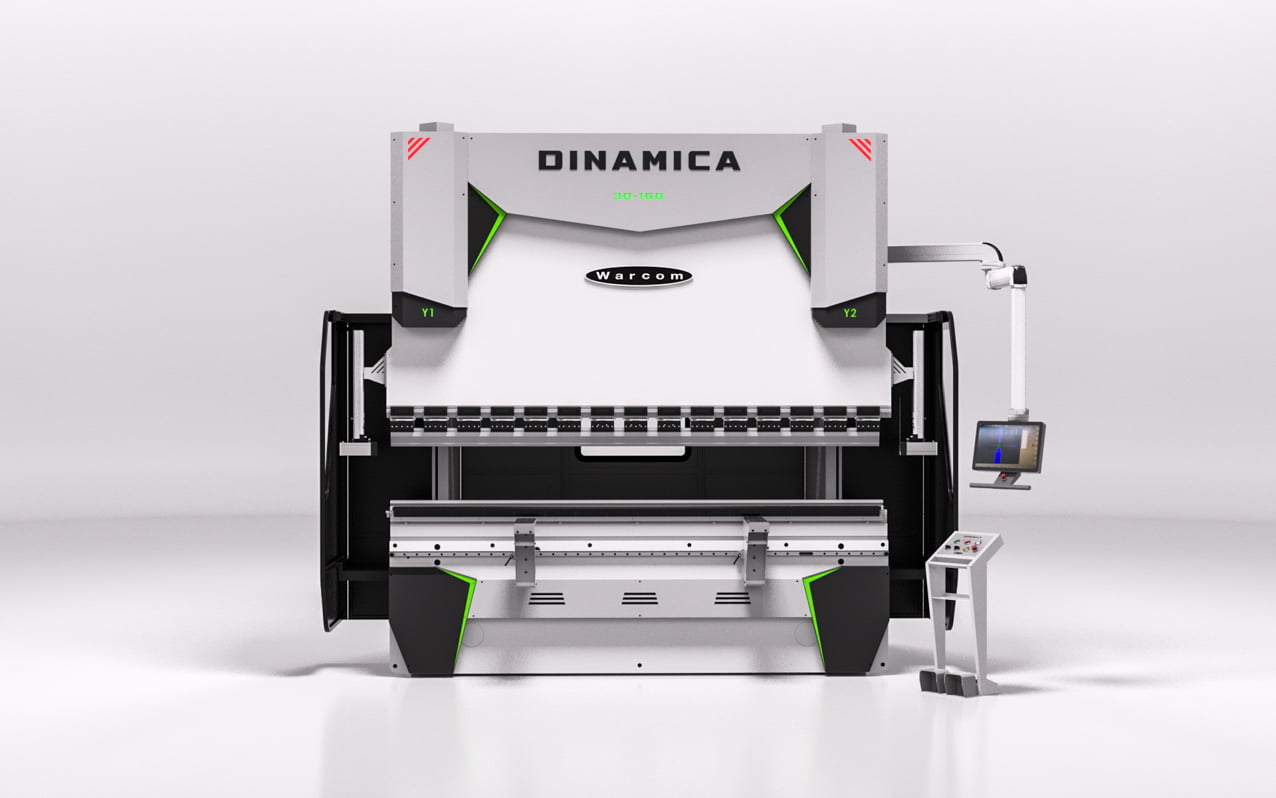
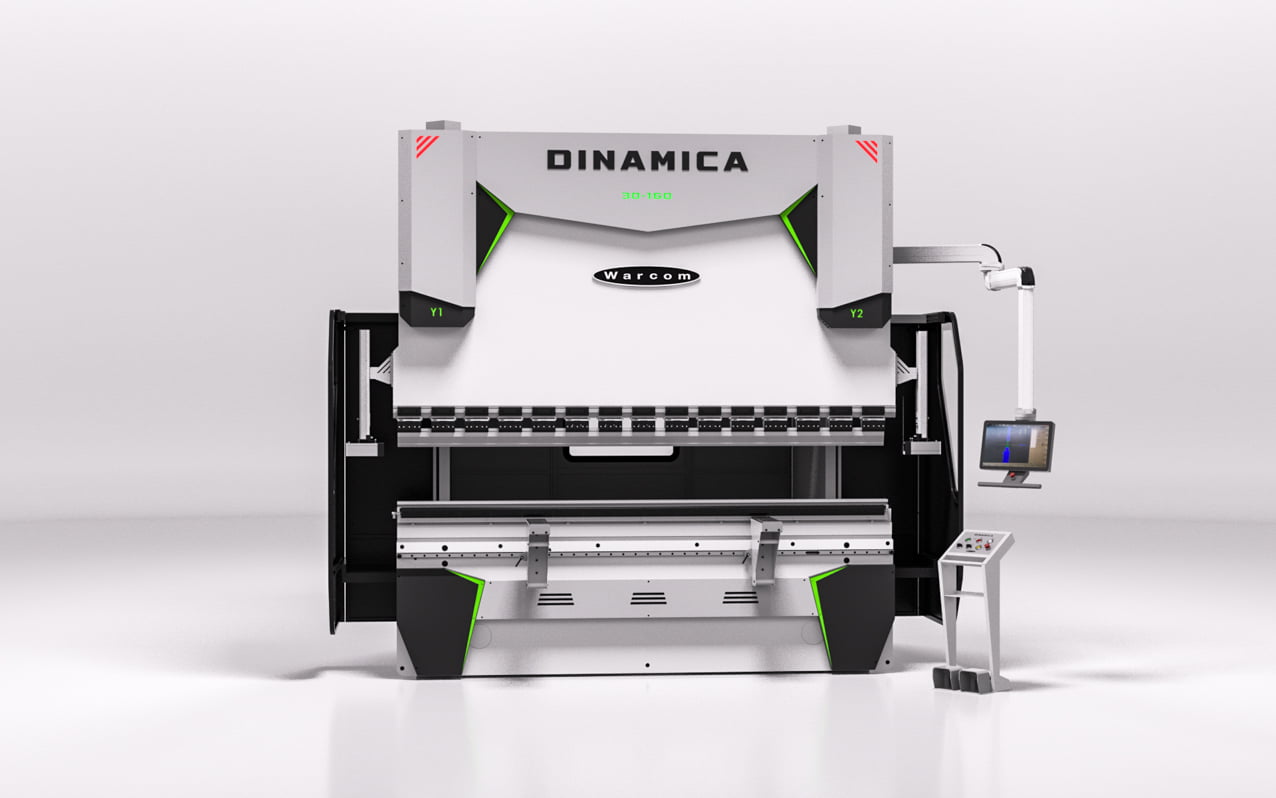
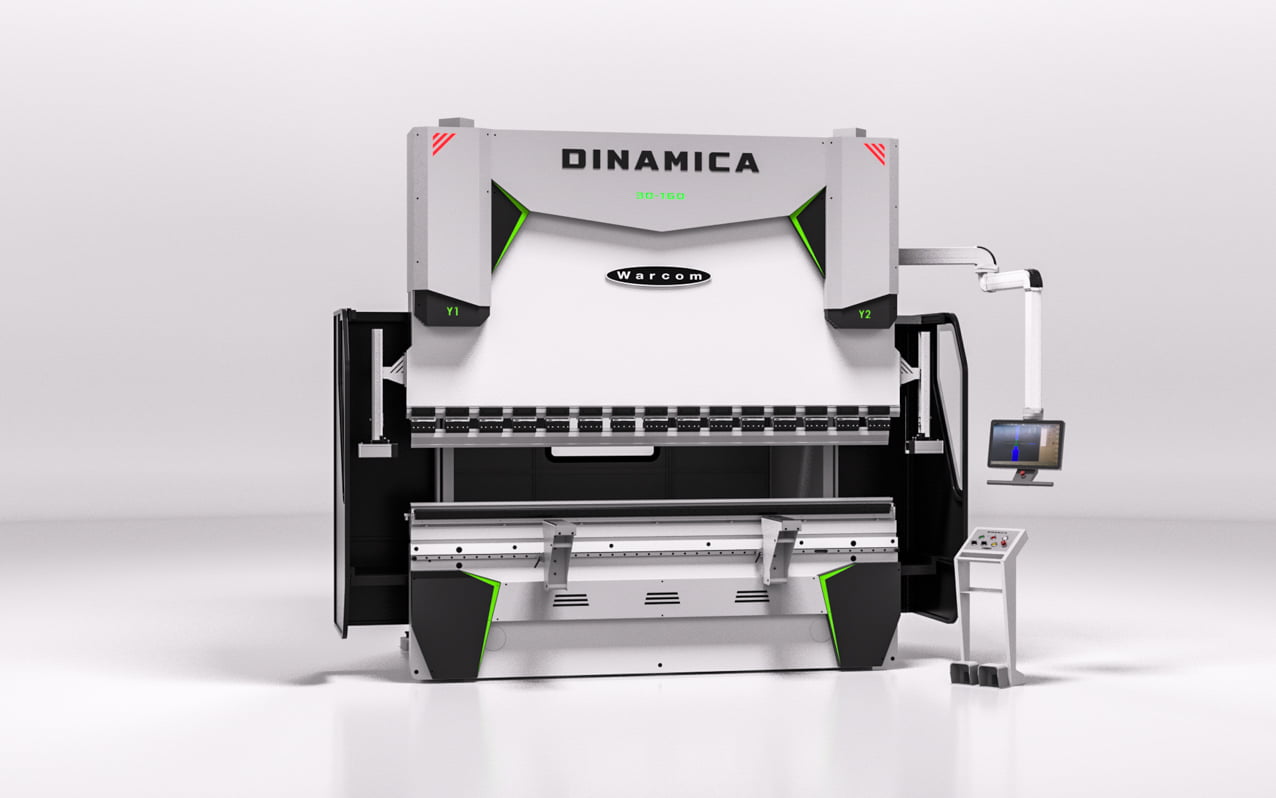
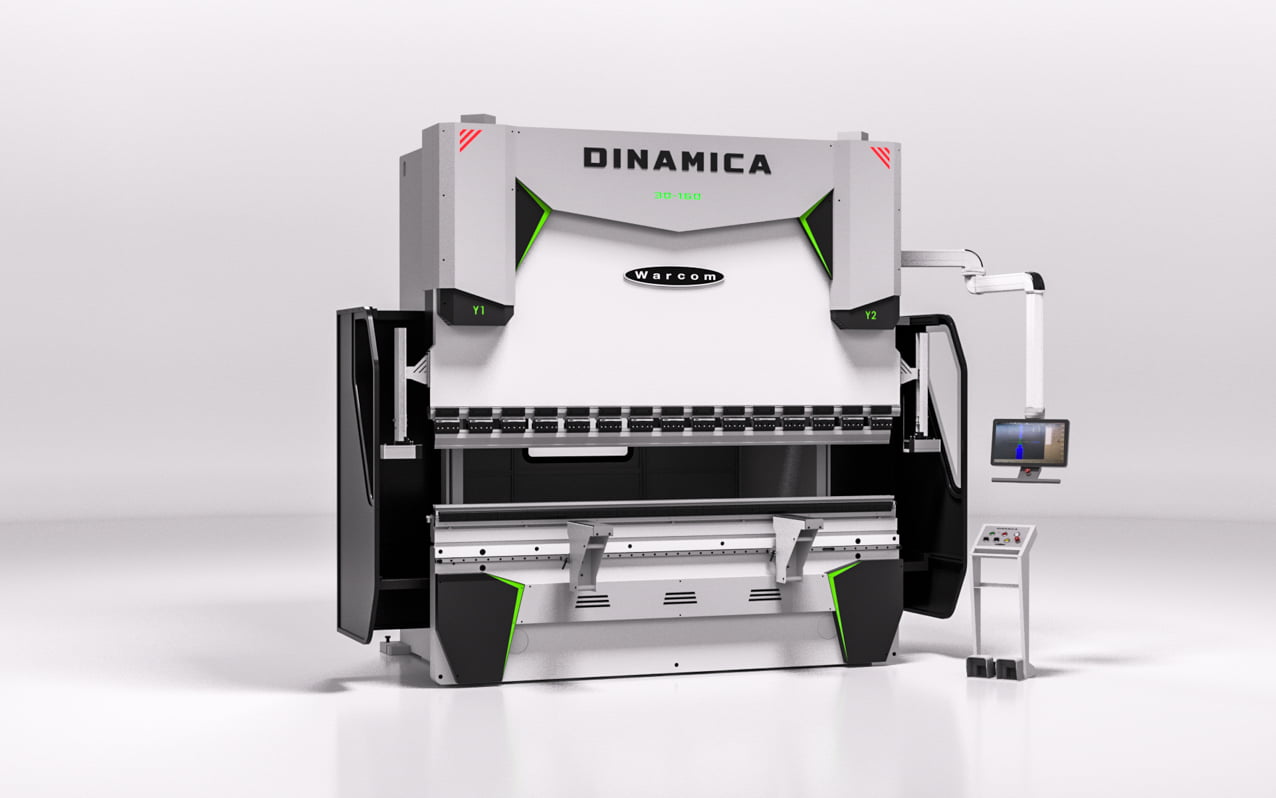
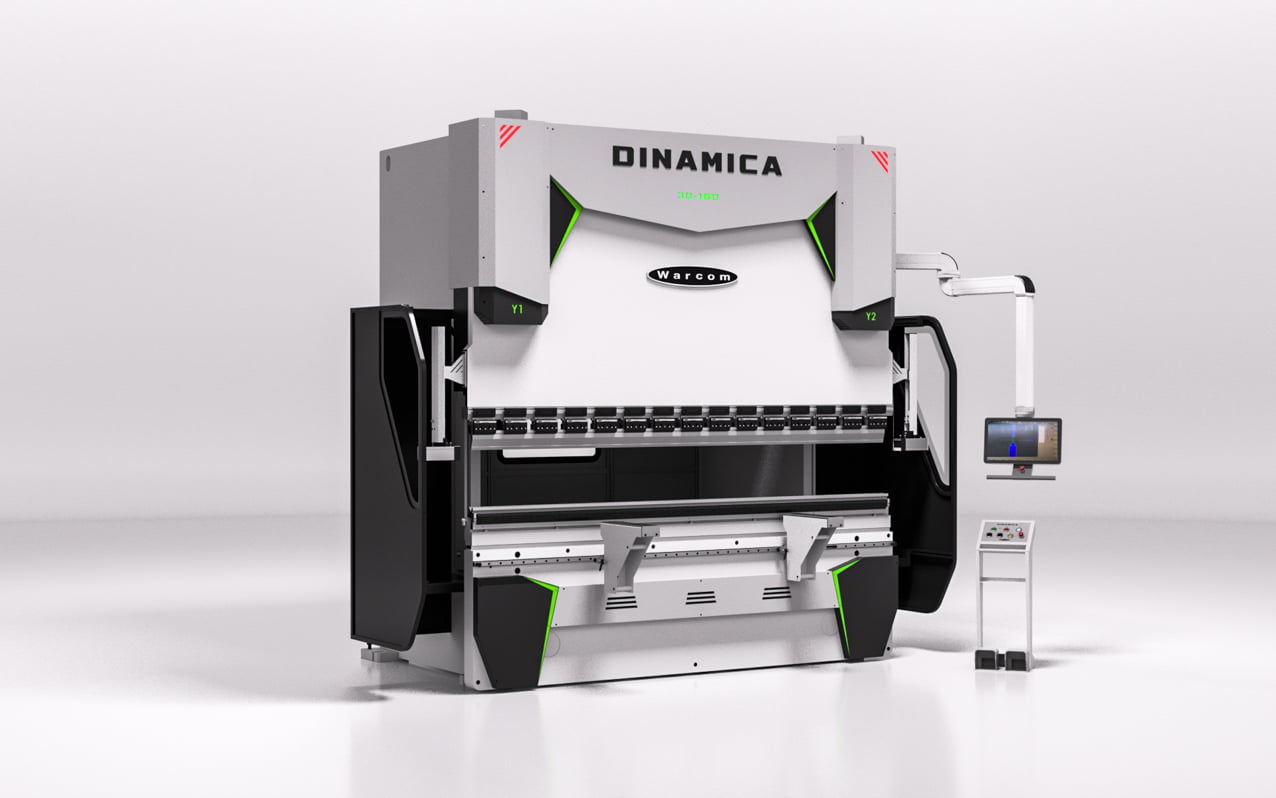
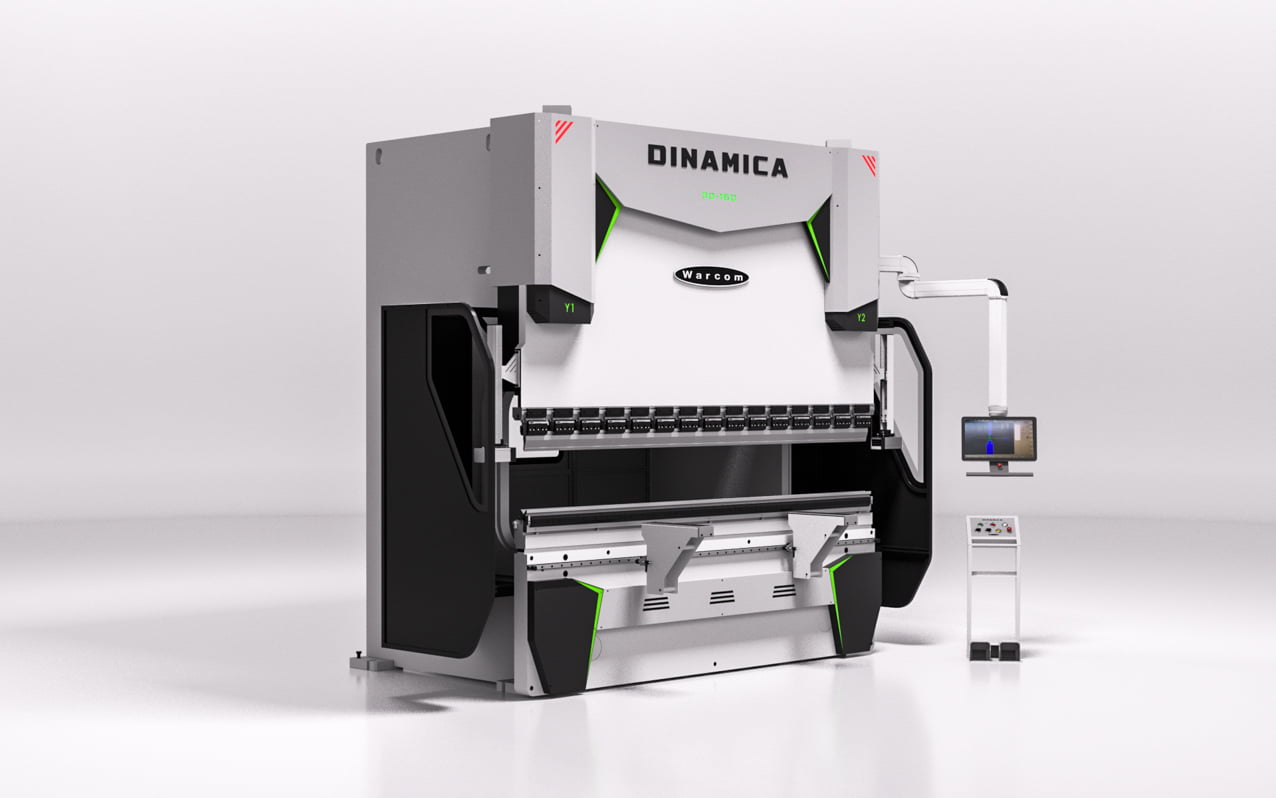
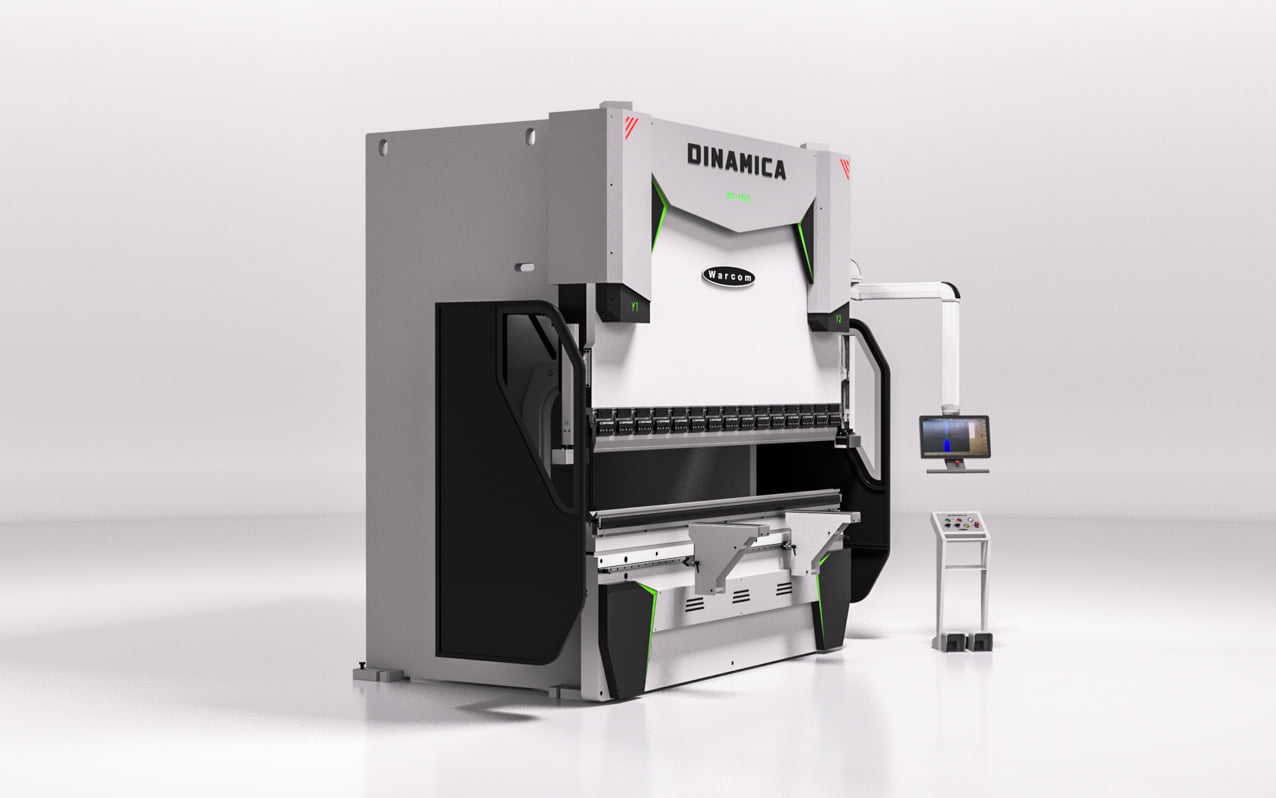
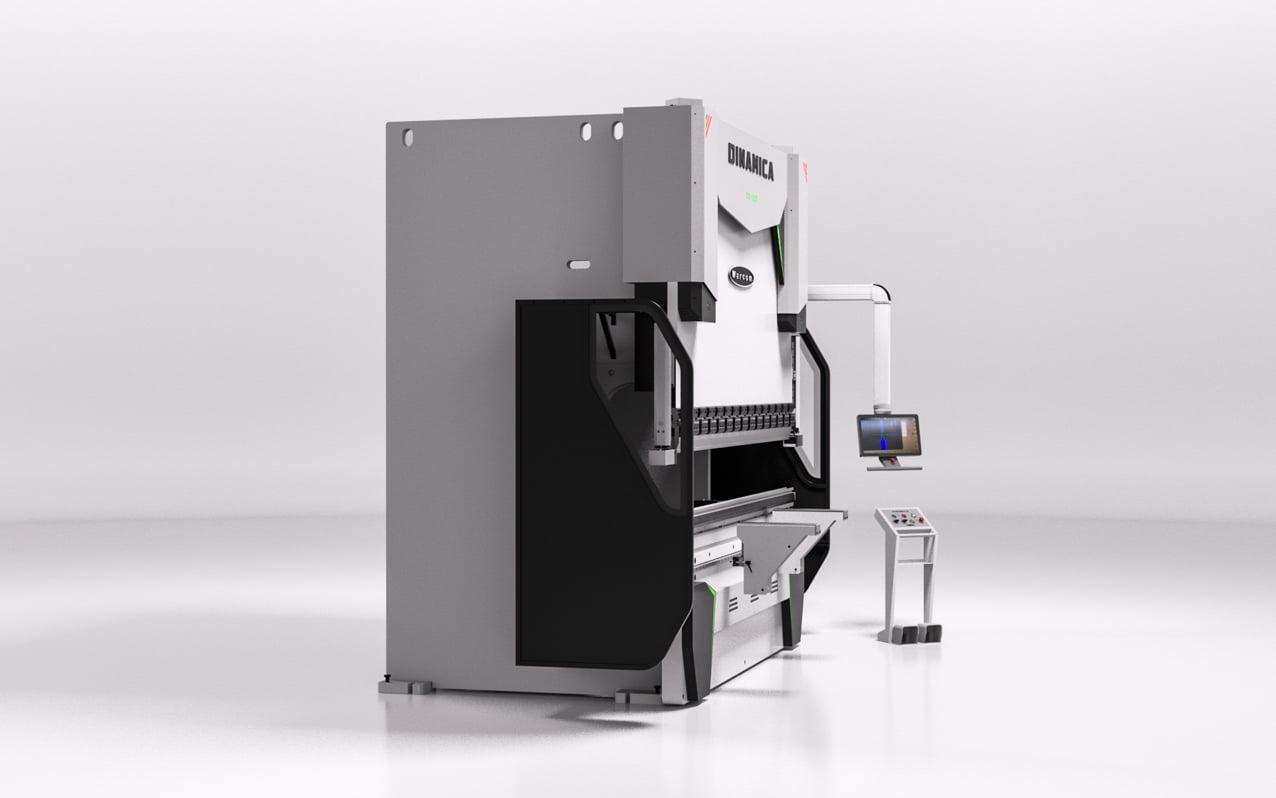
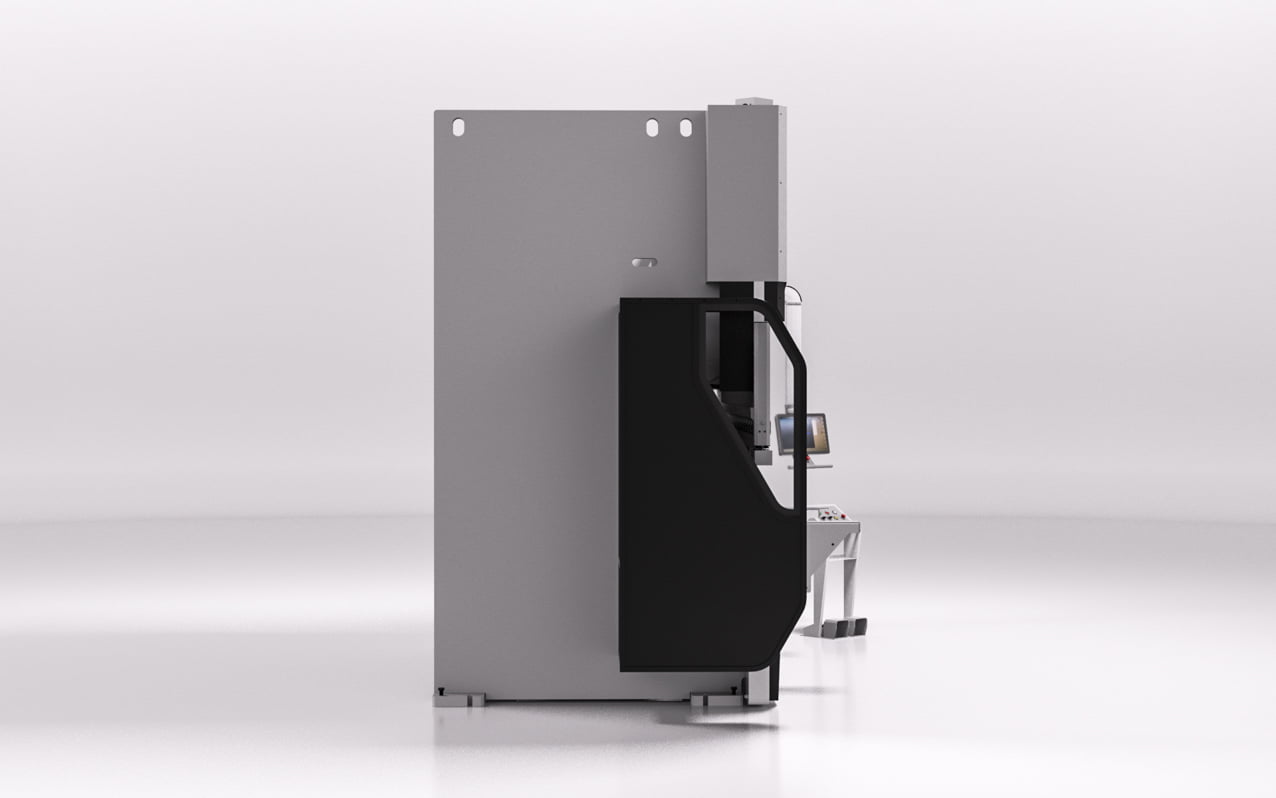
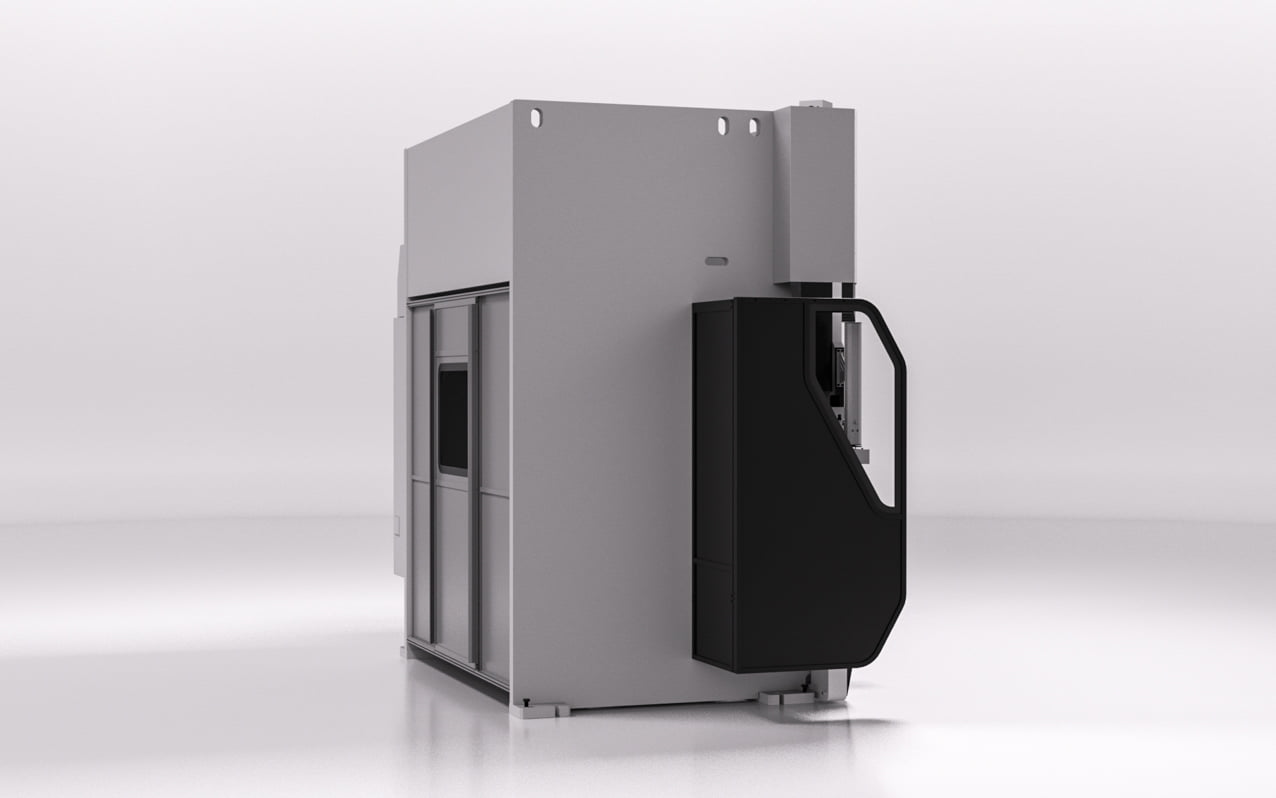
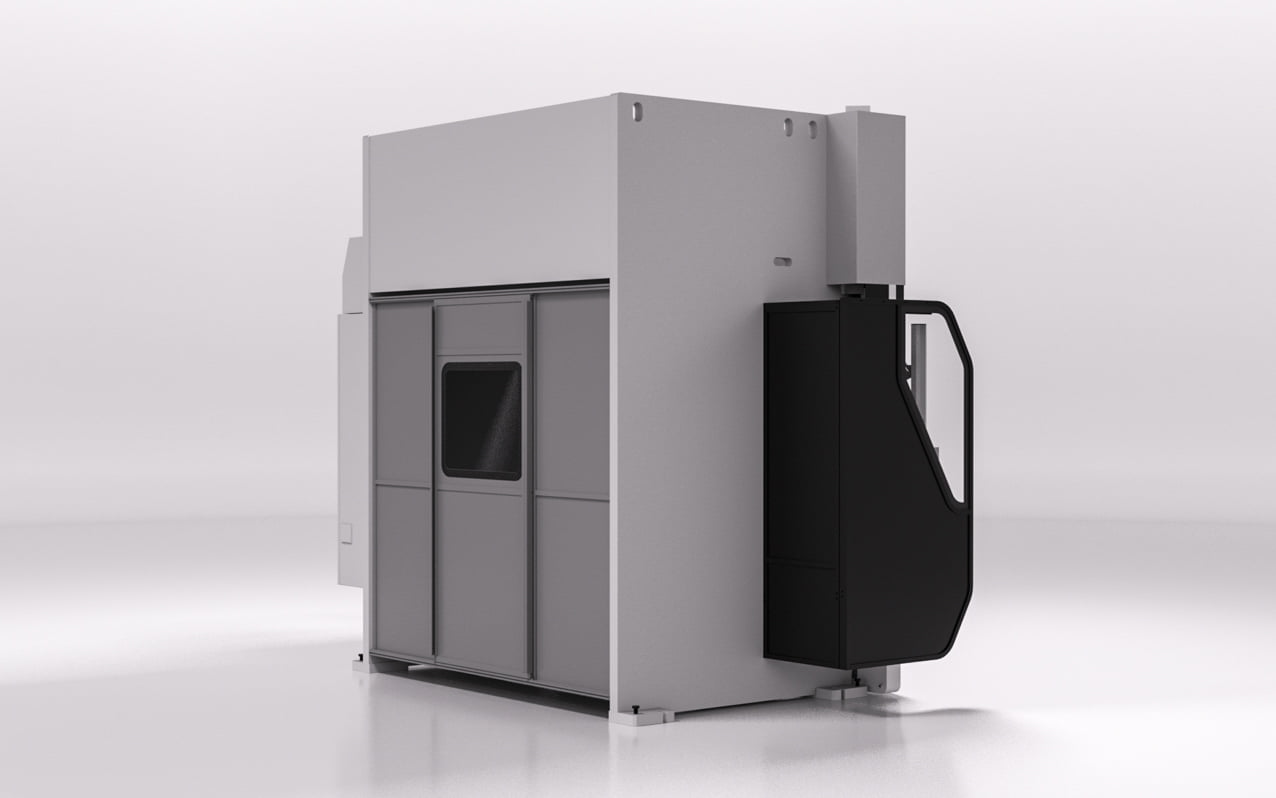
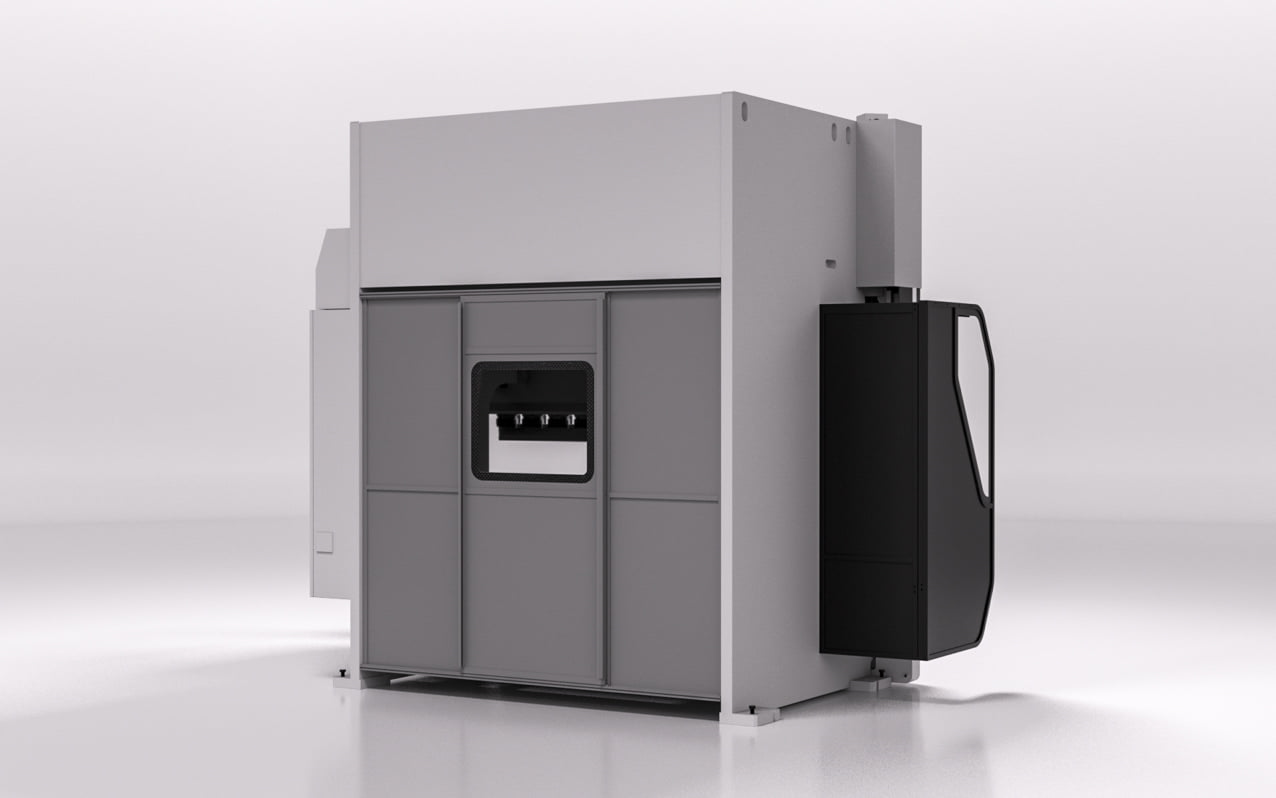
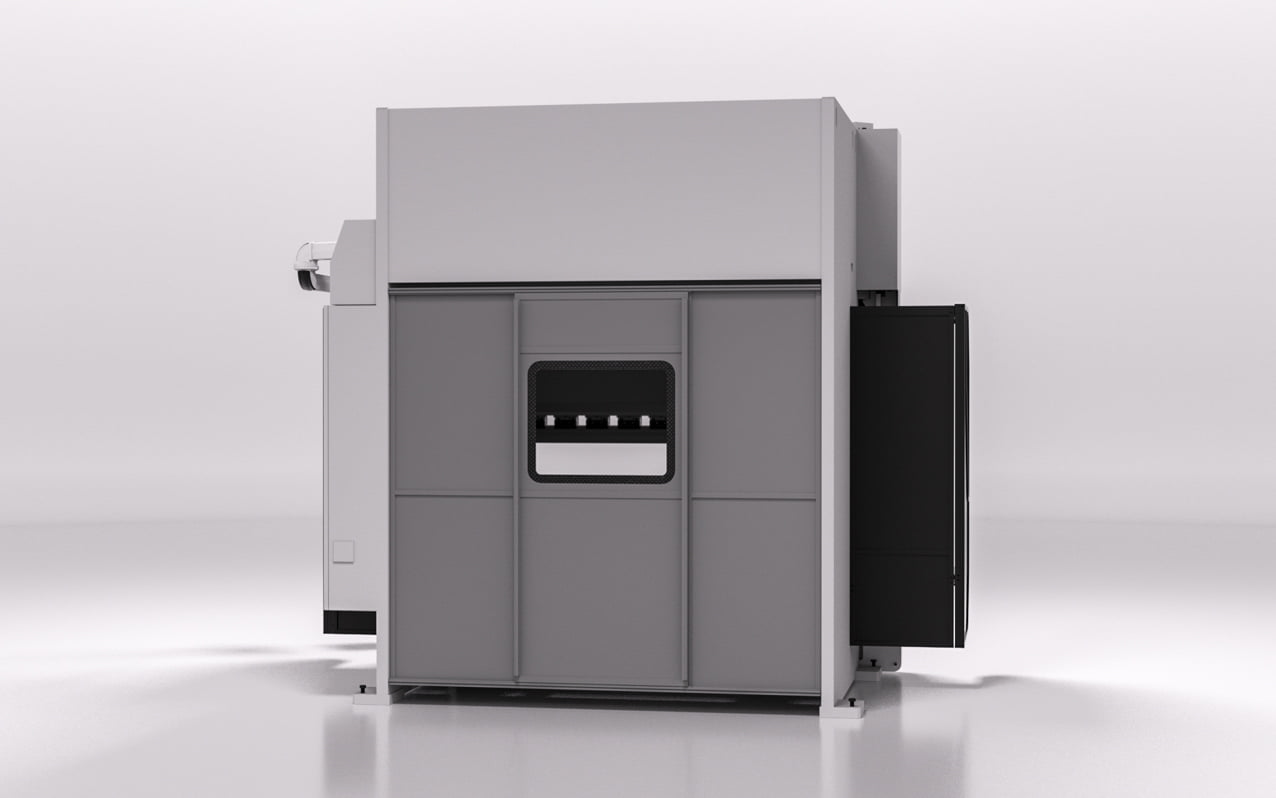
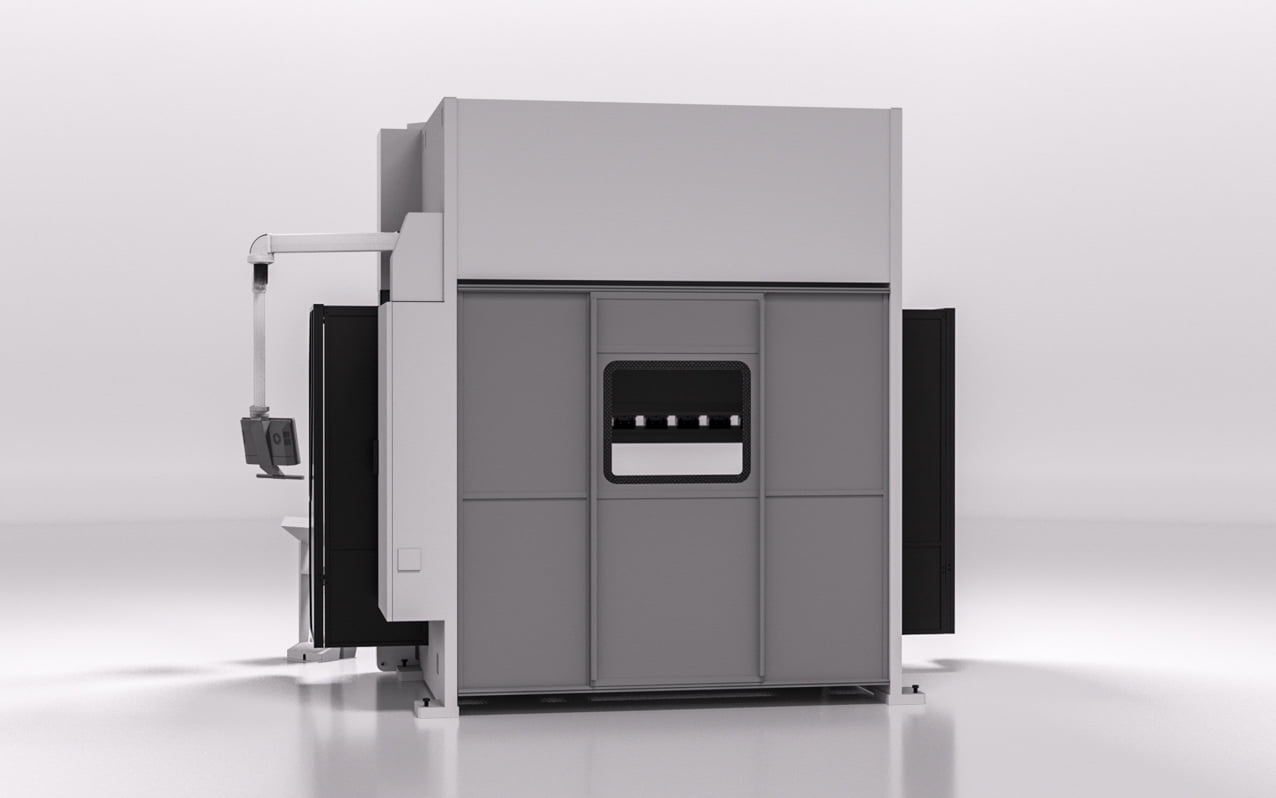
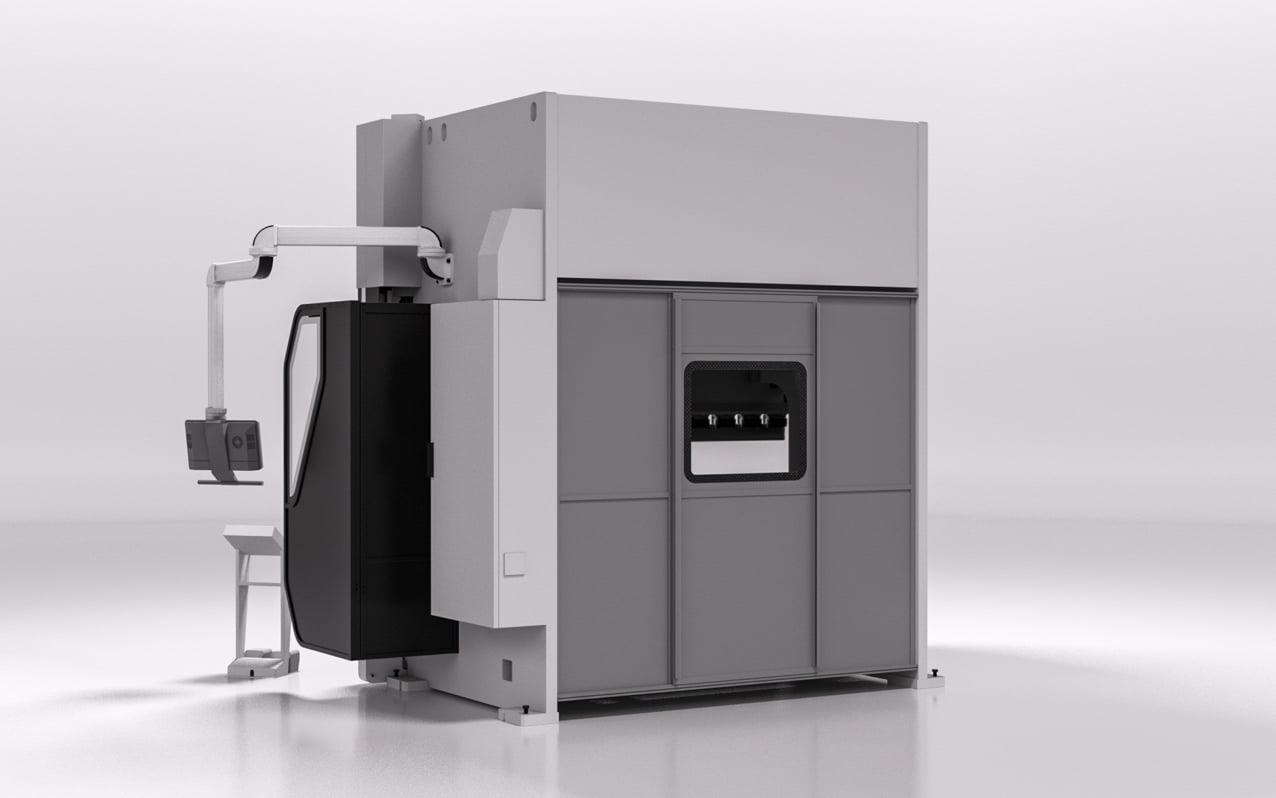
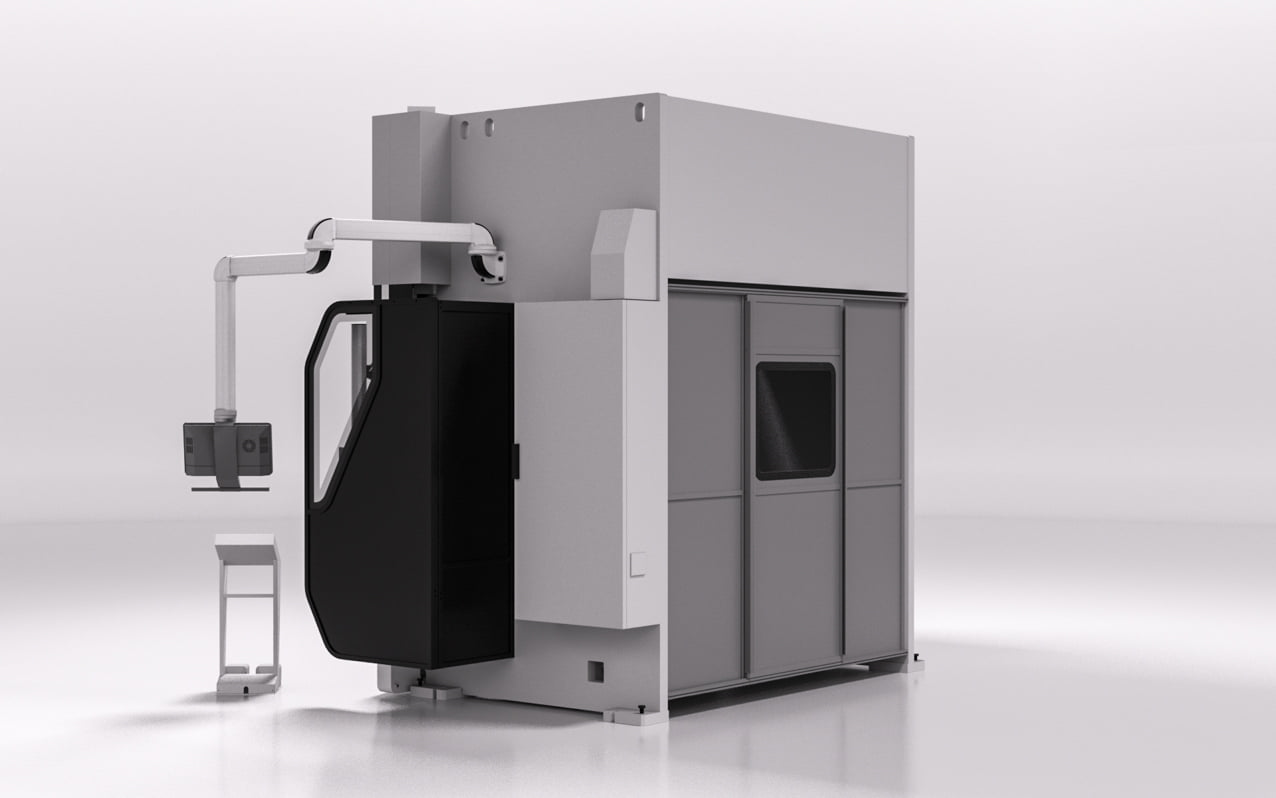
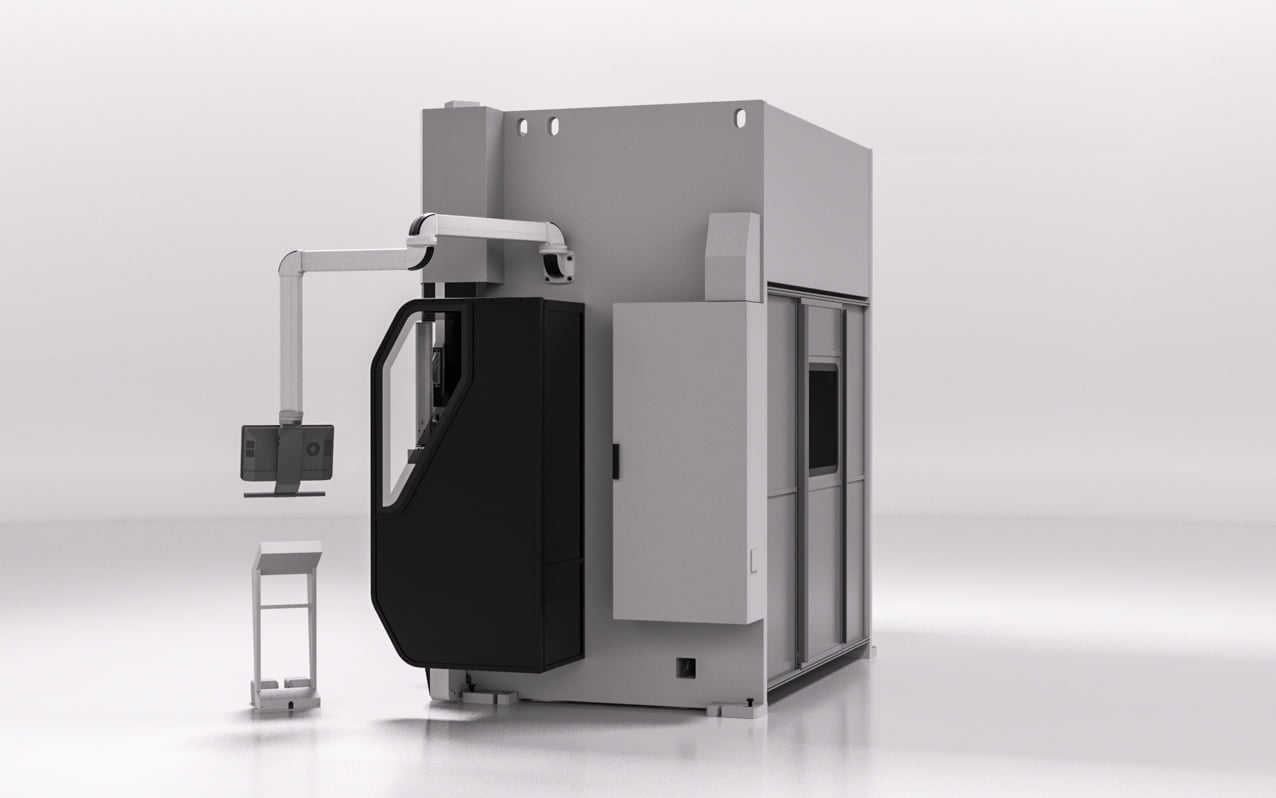
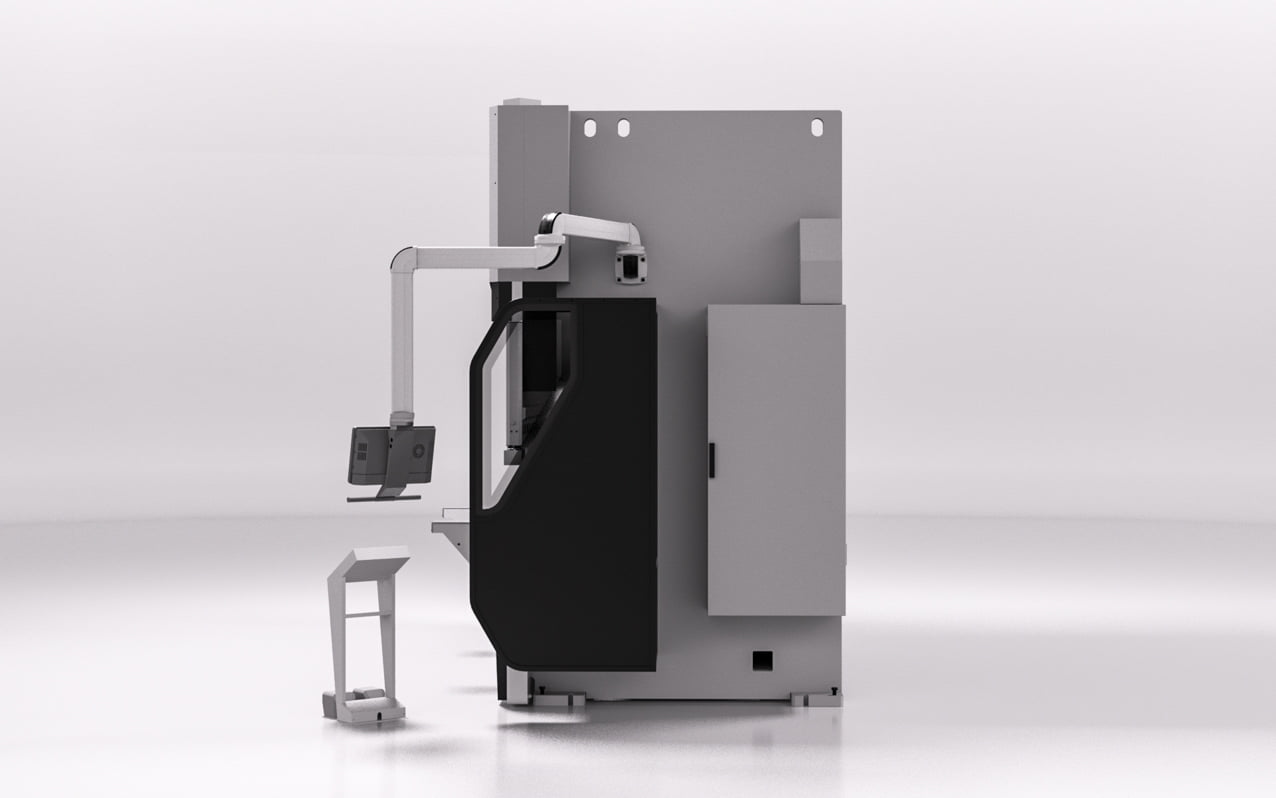
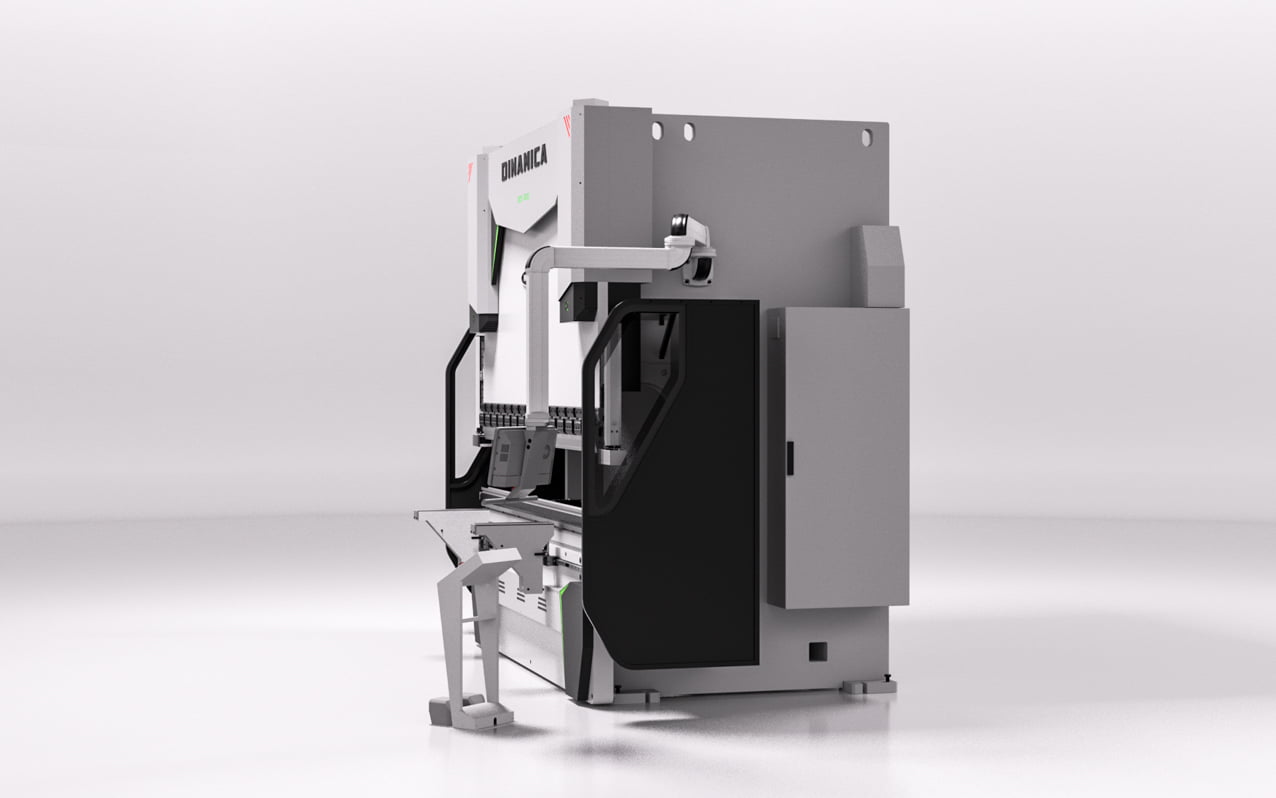
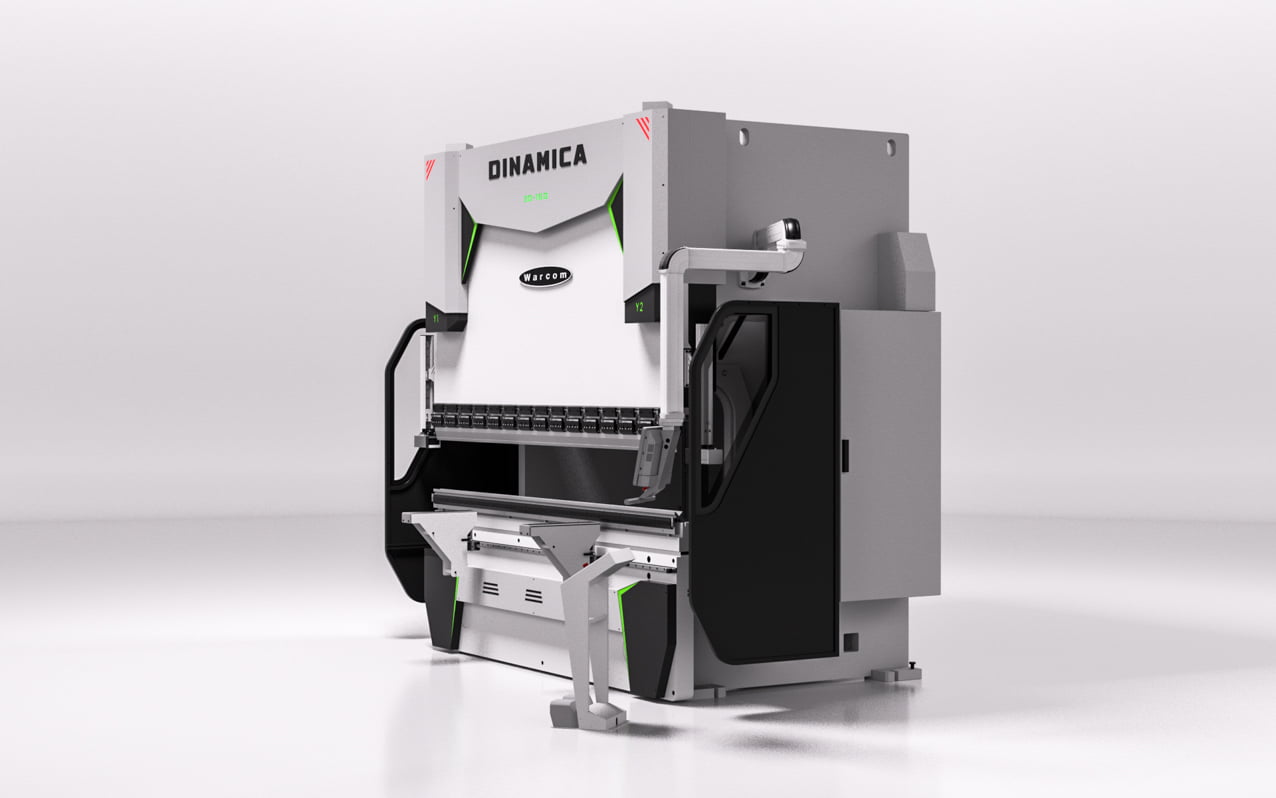
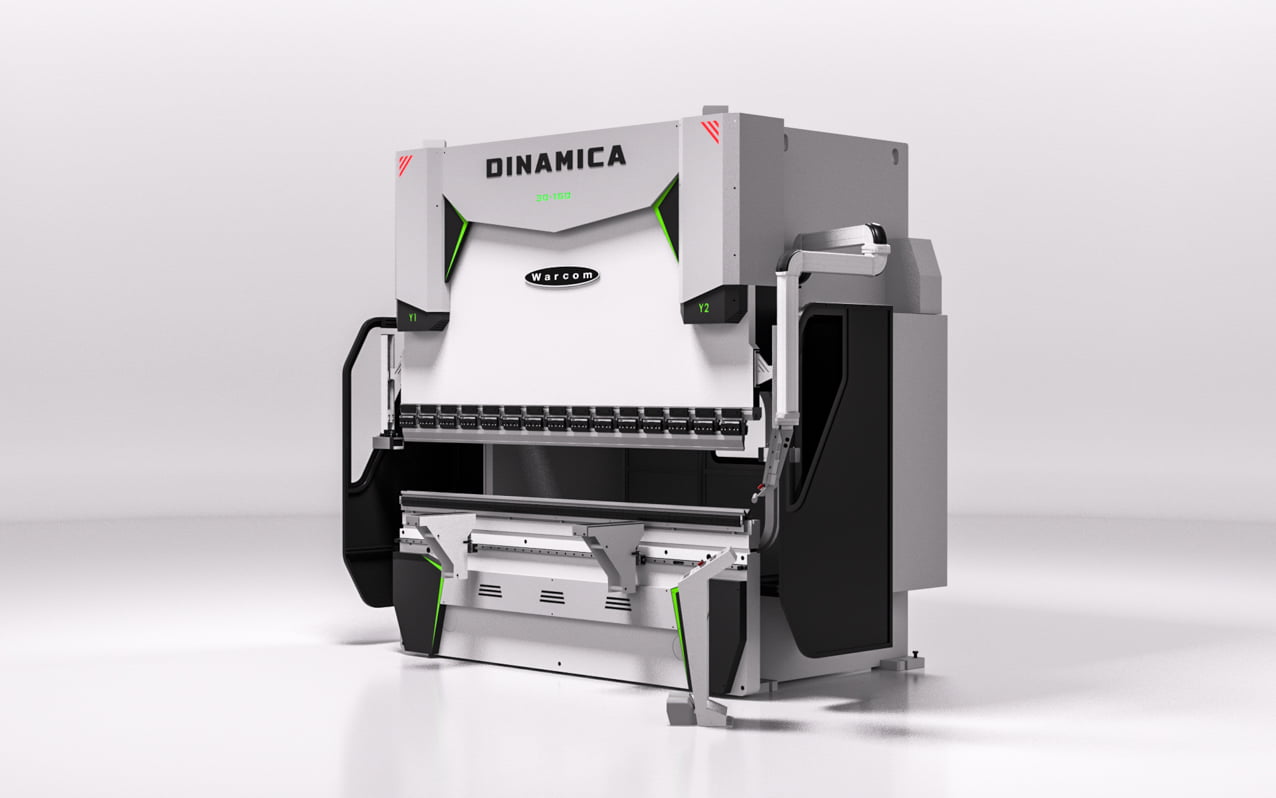
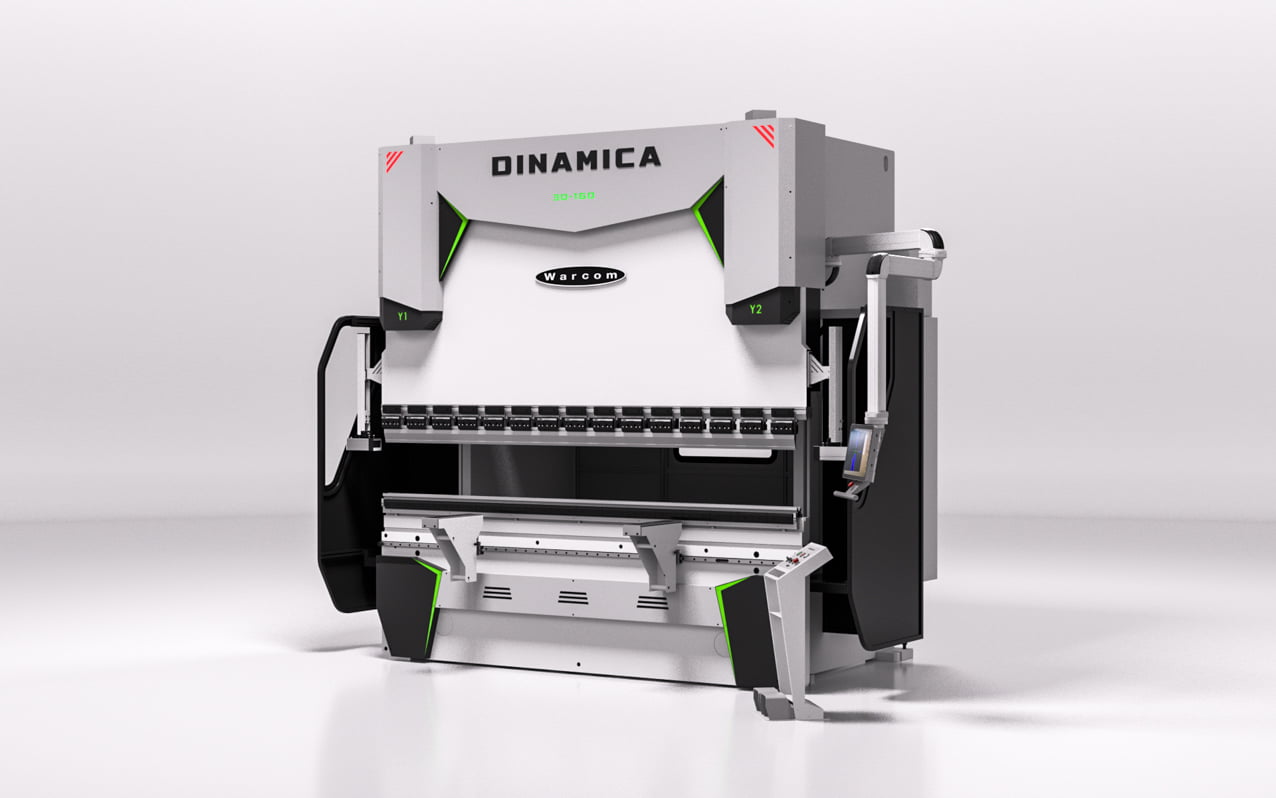
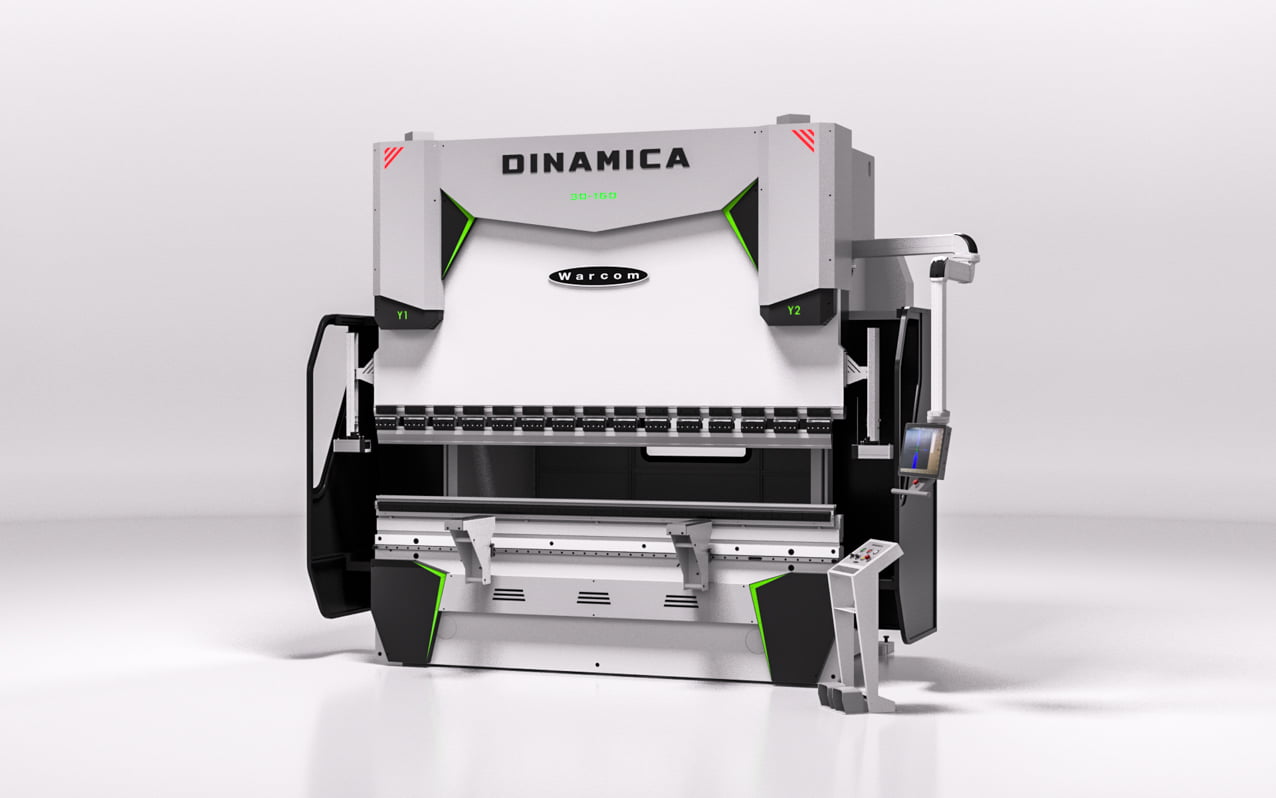
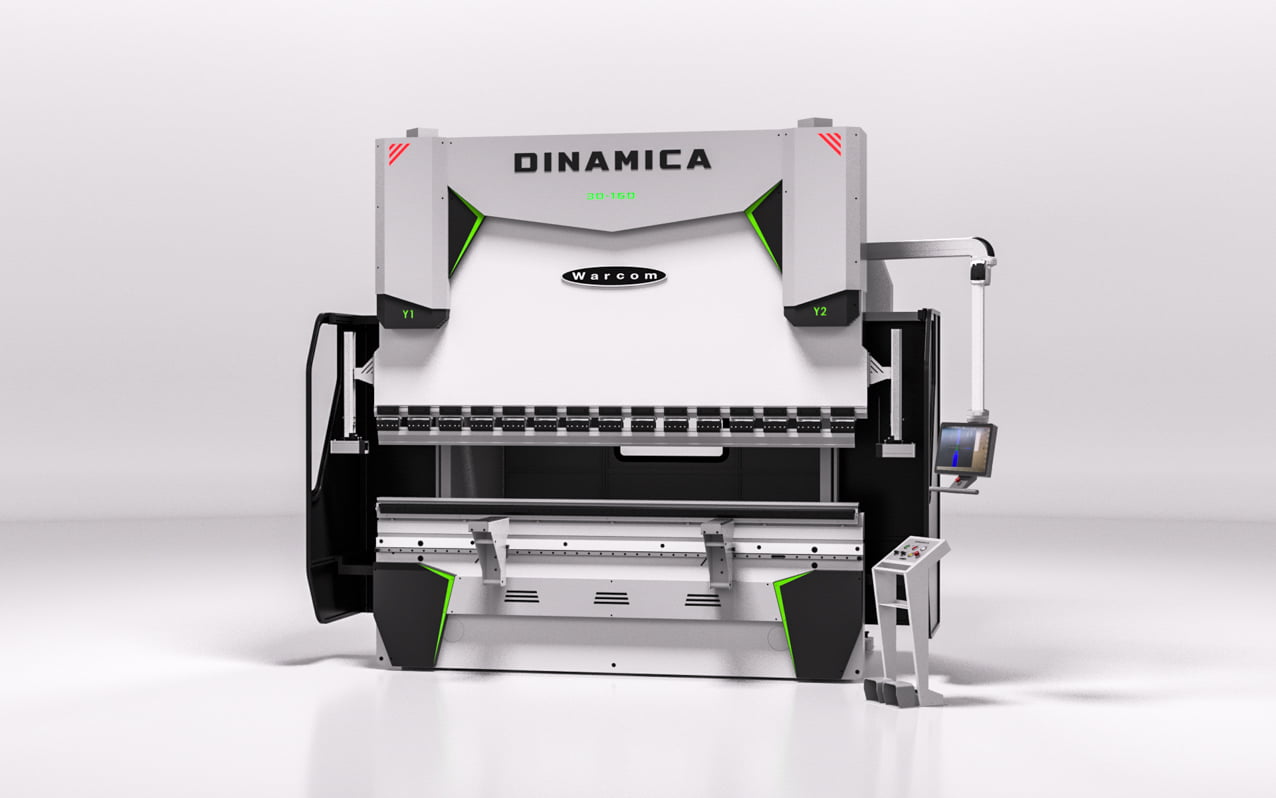
HYDRAULIC PRESS BRAKE
FROM 60 TO 400 TONS

HYDRAULIC PRESS BRAKE FOR THOSE AIMING FOR HIGHER PRODUCTIVITY AND QUALITY

DESIGNED FOR CONTRACTORS AND SERVICE CENTERS

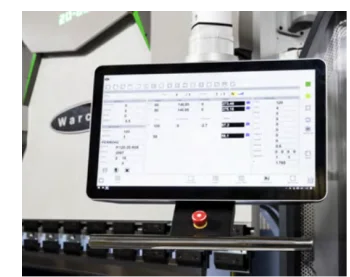
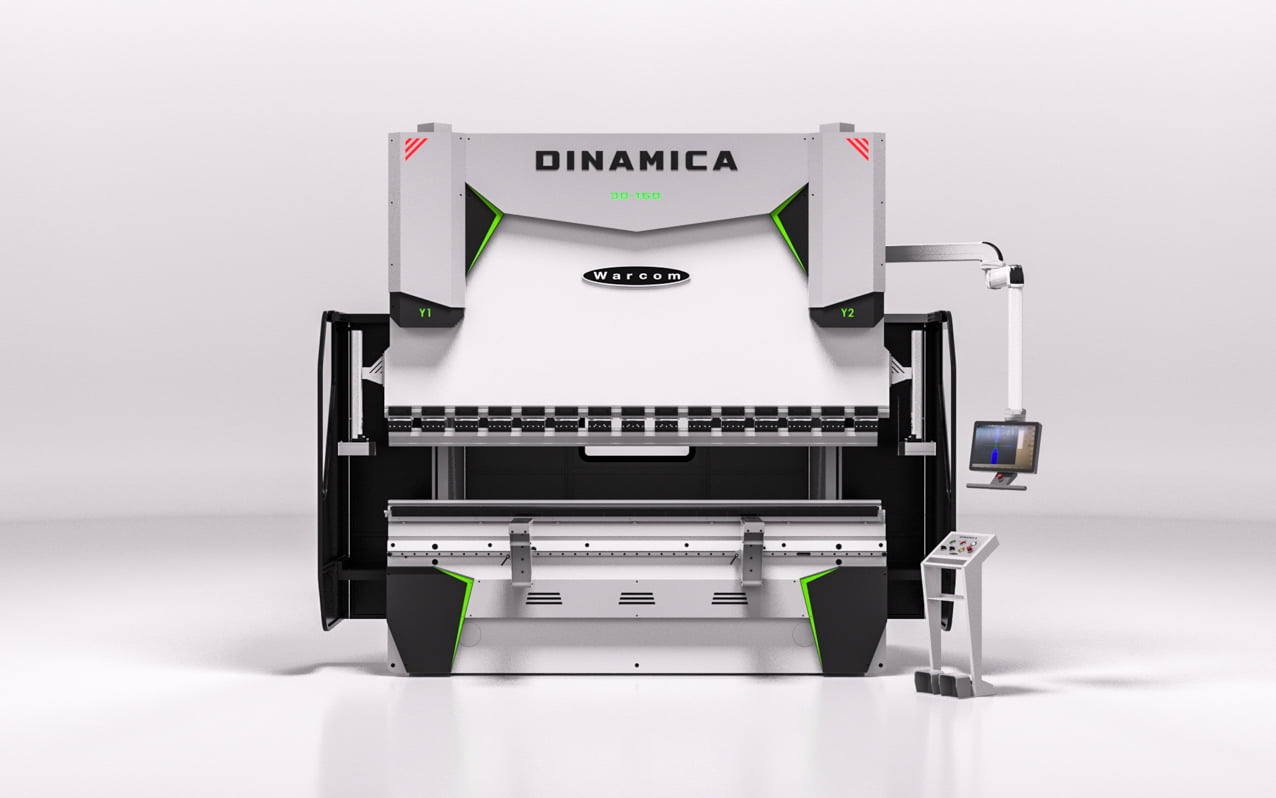
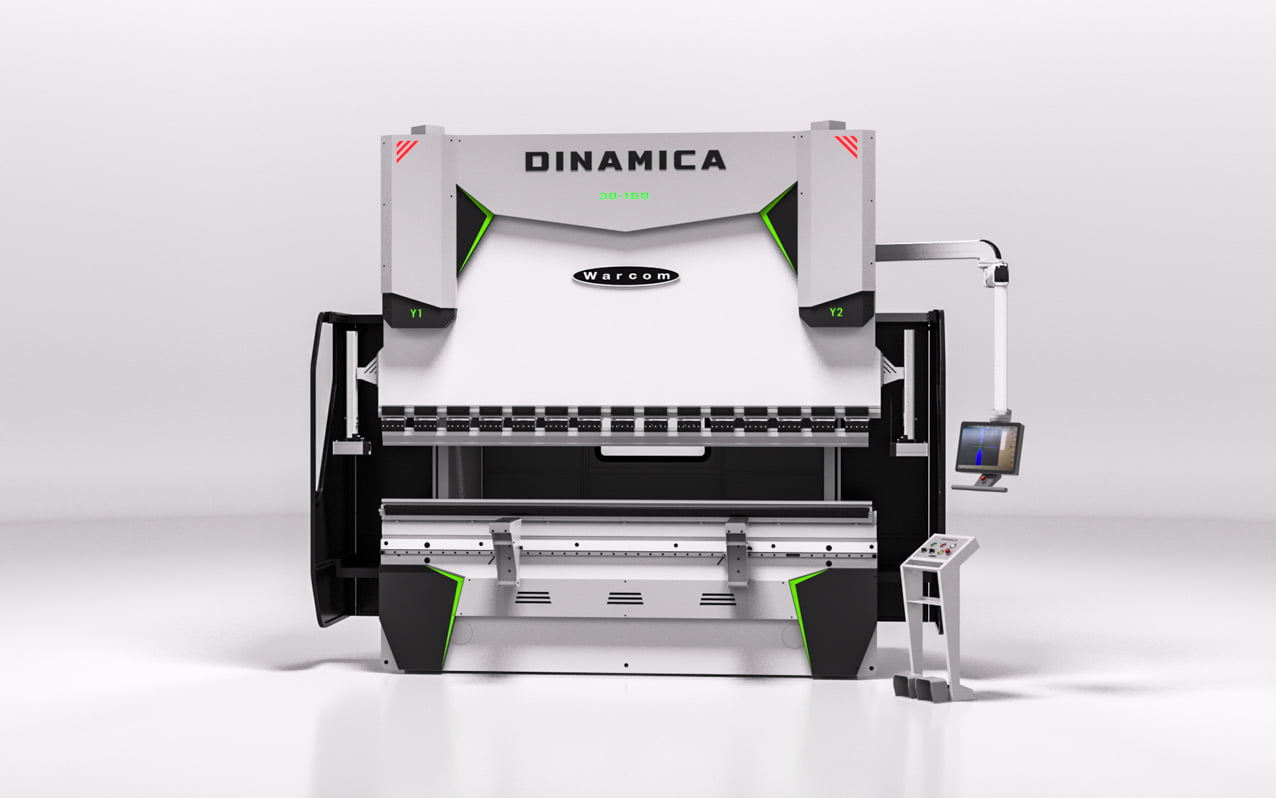
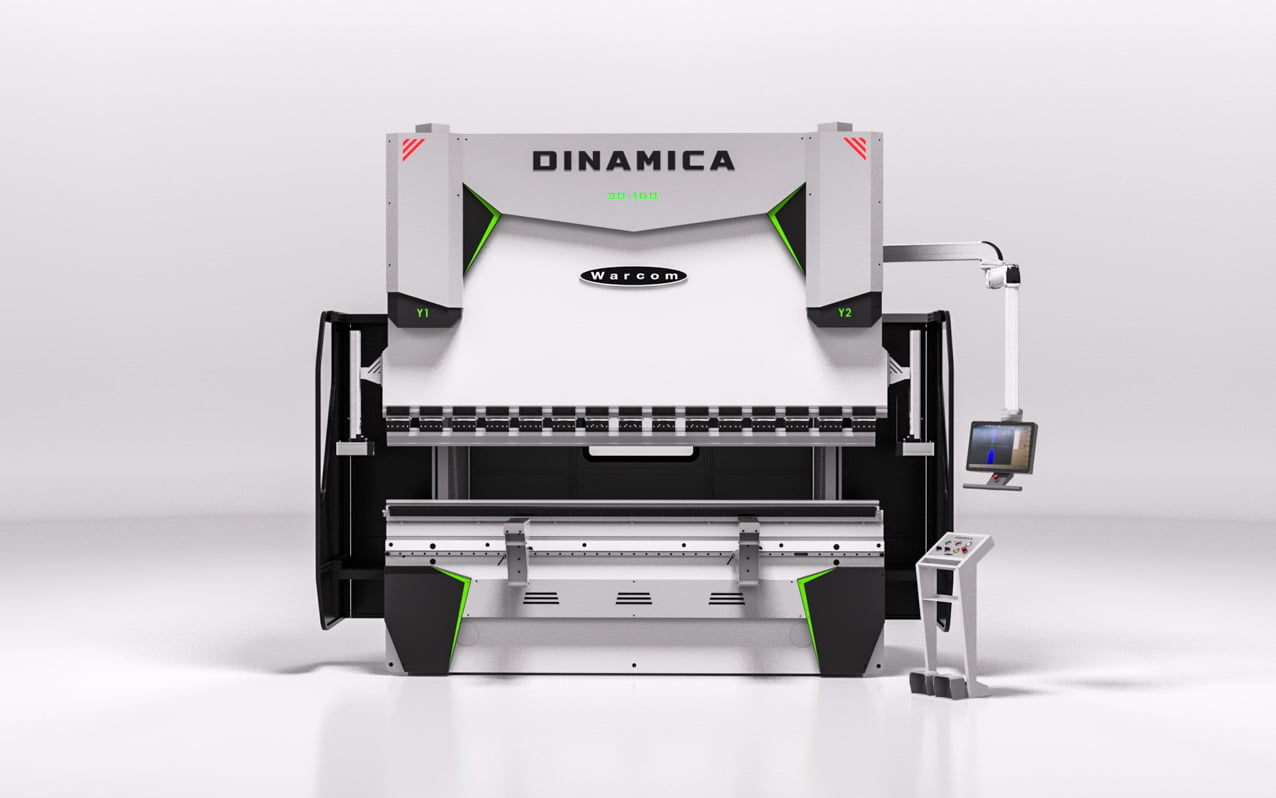
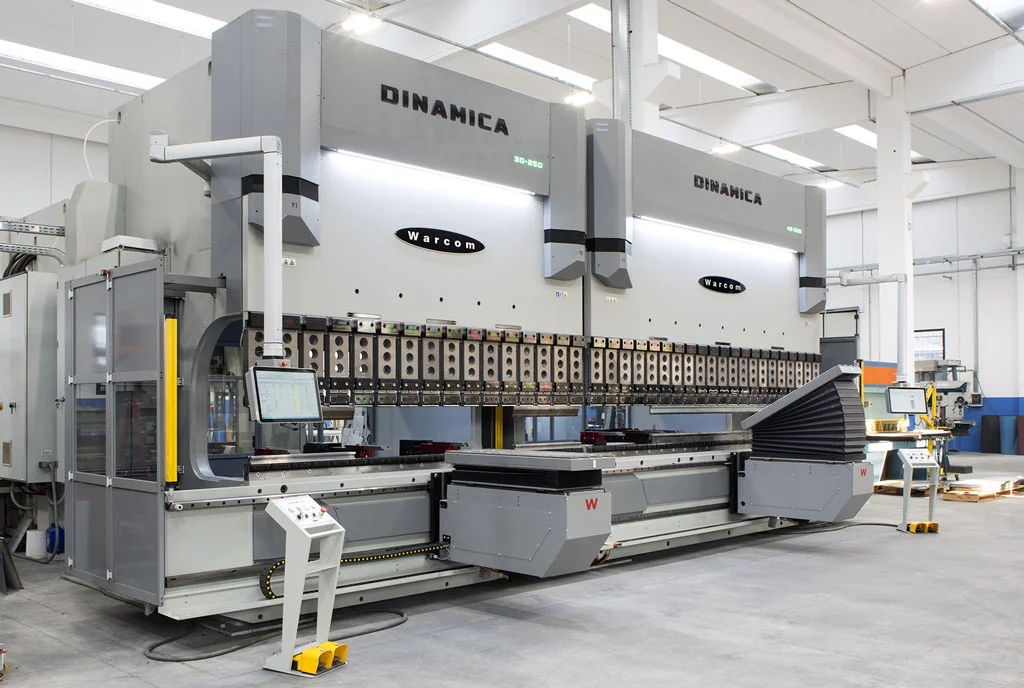
DINAMICA features increased opening and stroke as standard — 600 mm and 400 mm respectively on models over 100 tons — allowing the processing of box sections and tall profiles without dedicated tooling. It comes standard with the M6 back gauge, an active hydraulic compensation system, and a 21" touchscreen CNC.
360° Experience

ACCESSORIES AND TECHNOLOGIES
AVAILABLE ON DINAMICA

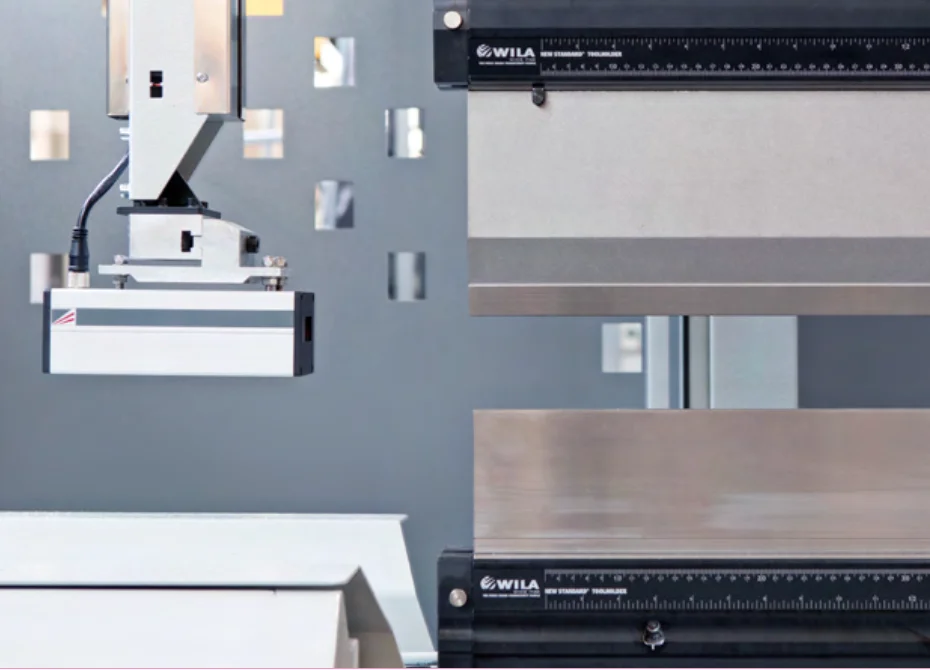
DATA M – BENDING ANGLE MEASUREMENT SYSTEM

The COPRA LASER CHECK – DATA M system automatically measures and corrects the bending angle, adapting to variations in material thickness, strength and rolling direction.

BCS1 – BENDING CONTROL SYSTEM

The BCS system detects the actual bending angle in real time and allows the CNC to compensate for material springback through short return cycles.

FCS1 – FULL COMPENSATION SYSTEM

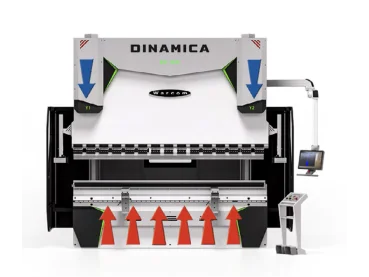
The FCS1 system detects and corrects ram and beam deflections in real time, maintaining a uniform angle and part flatness while compensating for the effects of residual stresses.

WARCOM ENERGY SAVER – WES START & STOP

WES uses an inverter to adjust motor speed according to the bending phase, reducing energy consumption, oil temperature and noise. Average energy savings are up to 50%.

BEND-MASTER – AUTOMATIC TOOL CHANGER

Automatic tool changing system: the operator can prepare the next batch while the machine changes the tools. Ideal for small batches and frequent tooling changes.

4- TO 6-AXIS BACKGAUGES

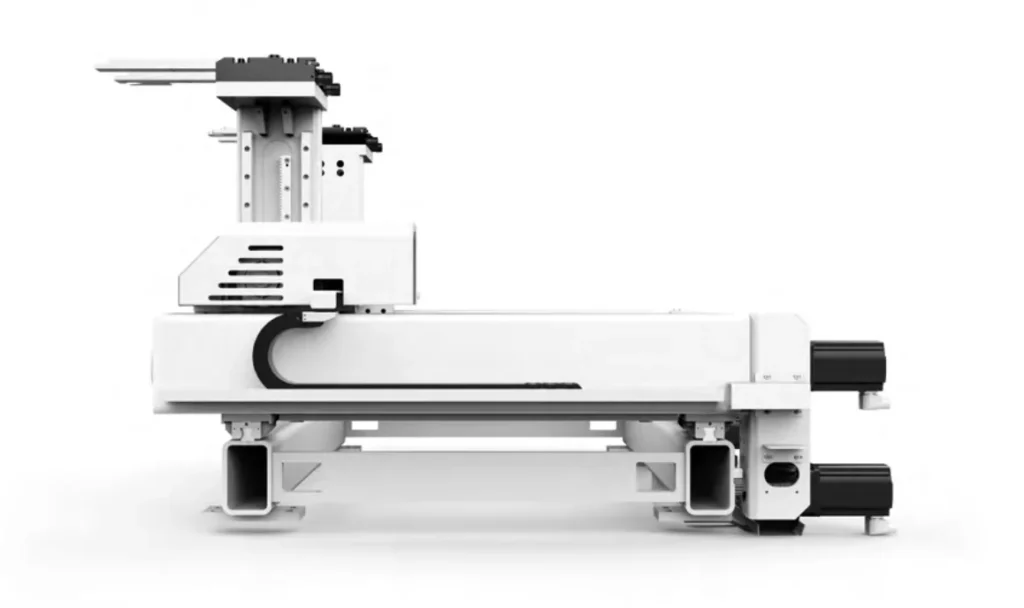
Optional 4- to 6-axis backgauge configurations with linear guides, high-precision positioning and anti-collision protection. Retractable pneumatic supports are available to facilitate sheet handling.

PNEUMATIC INTEGRATED HEMMING TABLE

Pneumatic hemming device integrated into the table, with manual clamping for Promecam-type dies with a 60 mm base. CNC-controlled with pneumatic solenoid valve.

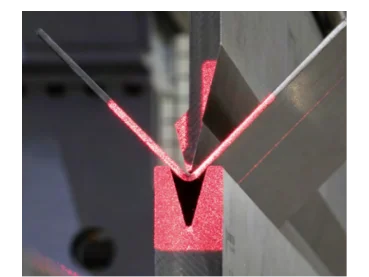
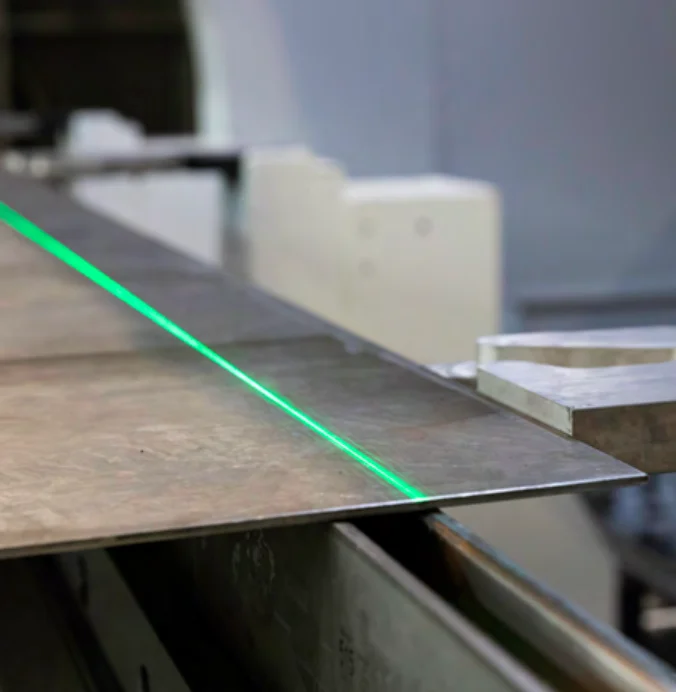
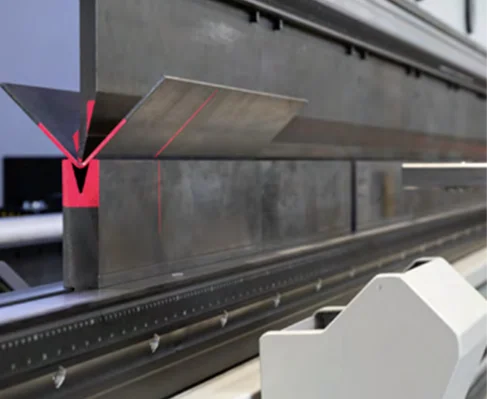
LASER BENDING-LINE PROJECTOR

Projects the bending line onto the workpiece, facilitating sheet positioning. Ideal for large sheets and for irregular, conical, diamond and bending-forming applications.

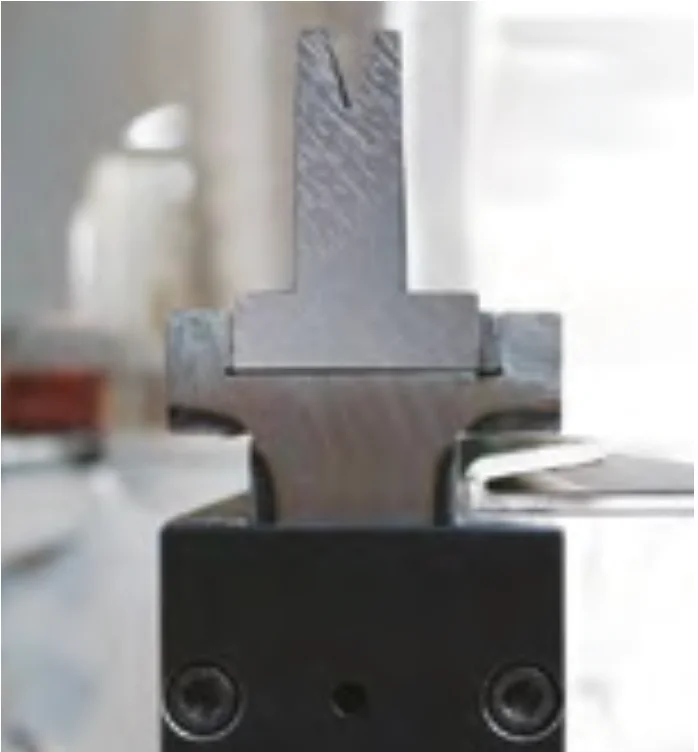
WILA / PROMECAM TOOL CLAMPING

Tool clamping solutions for WILA and PROMECAM tooling, available in manual, pneumatic or hydraulic versions.

IRIS LAZERSAFE – SAFETY SYSTEM

LazerSafe “IRIS Fast Bend” safety system for increased bending speed (depending on the model), ensuring high levels of both safety and productivity during bending.

OTHER WARCOM PRESS BRAKES

REQUEST A QUOTE FOR A DINAMICA HYDRAULIC PRESS BRAKE

REQUEST CATALOGUE

    SUBJECT: Catalog request

    REQUEST QUOTE

      SUBJECT: Quote request

      FREQUENTLY ASKED QUESTIONS

      How much can you save with WES?

      WES (Warcom Energy Saving) is an optional system that can reduce the press brake’s energy consumption by up to 50% and increase its operating speed. The system uses an inverter that automatically adjusts the motor speed according to the operating phase, preventing it from running continuously at maximum speed. The result is a more efficient machine with lower energy consumption and increased operating speed.

      What is the DCS (Dynamic Crowning System) and why is it standard on DINAMICA?

      The DCS (Dynamic Crowning System) is an active compensation system for the lower beam that corrects structural deformations in real time during bending. Two sensors detect deformation, while independent hydraulic cylinders automatically compensate for it, ensuring a uniform bending angle along the entire length of the workpiece, even in the most demanding operations. This is why DCS is standard on DINAMICA: it ensures greater precision and consistent bending without requiring manual operator adjustments. It is available on the FUTURA series upon request.

      What applications is DINAMICA designed for?

      The DINAMICA press brake is designed for subcontractors, service centers, industrial workshops, and production environments requiring high productivity and consistent quality.

      How is the required bending force calculated?

      The required bending force mainly depends on the material, its thickness and strength, the V-die opening, and the bending length. The required internal radius also affects the choice of machine configuration. From the initial design stage, Warcom’s Sales Office can assist customers in identifying the most suitable combination.

        1/3 · Personal details
        2/3 · Company
        3/3 · Visit

        Visit day(s)*